My Credit Card Combination for Everyday Use in 2026
 Christian··5 min read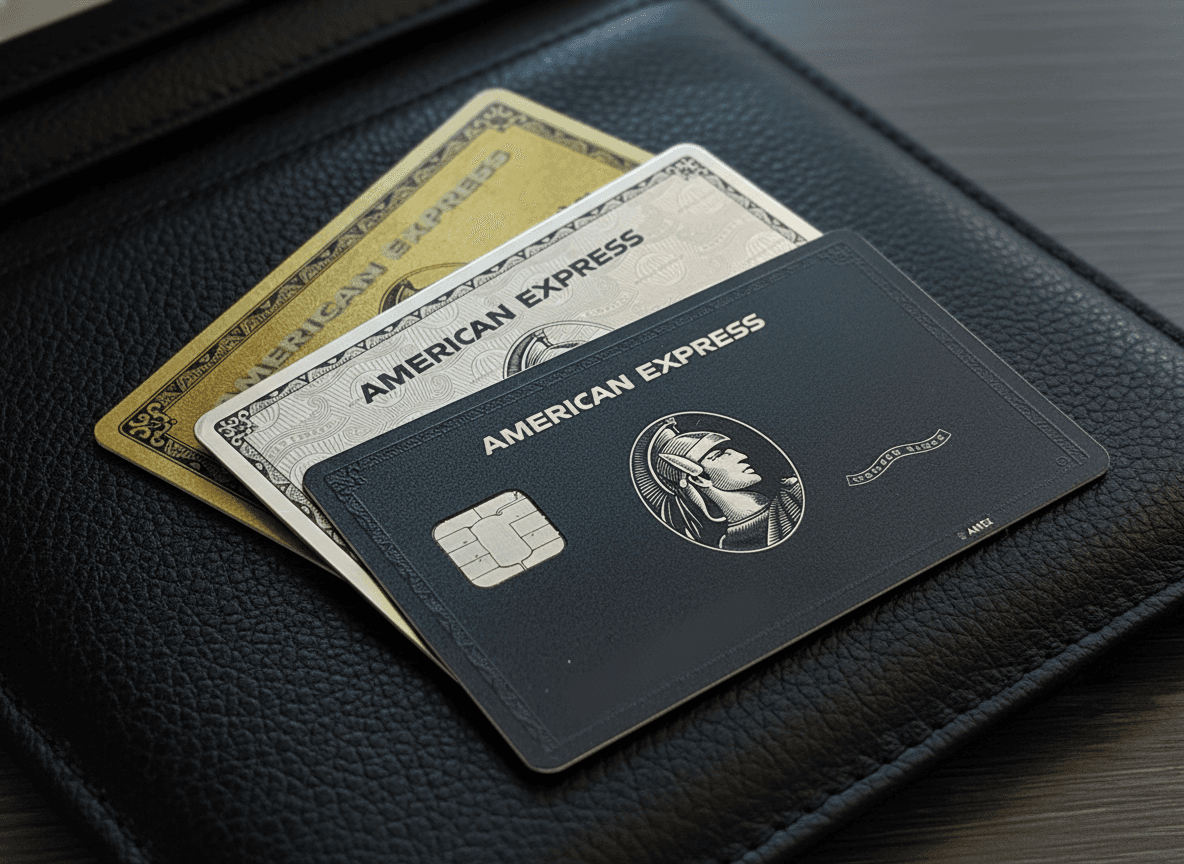
There's one question I hear more than any other: "If you have the Centurion, do you even need other cards?" The answer is yes. Absolutely.
Anyone living in Germany who thinks they can get by with a single credit card will be proven wrong at the register in the organic grocery store, the bakery, or the gas station in the countryside. American Express has invested heavily in acceptance in recent years. But "invested heavily" doesn't mean "accepted everywhere." And that's exactly why every Amex cardholder needs a strategy.
Here's mine. Four cards, clear roles, no gaps.
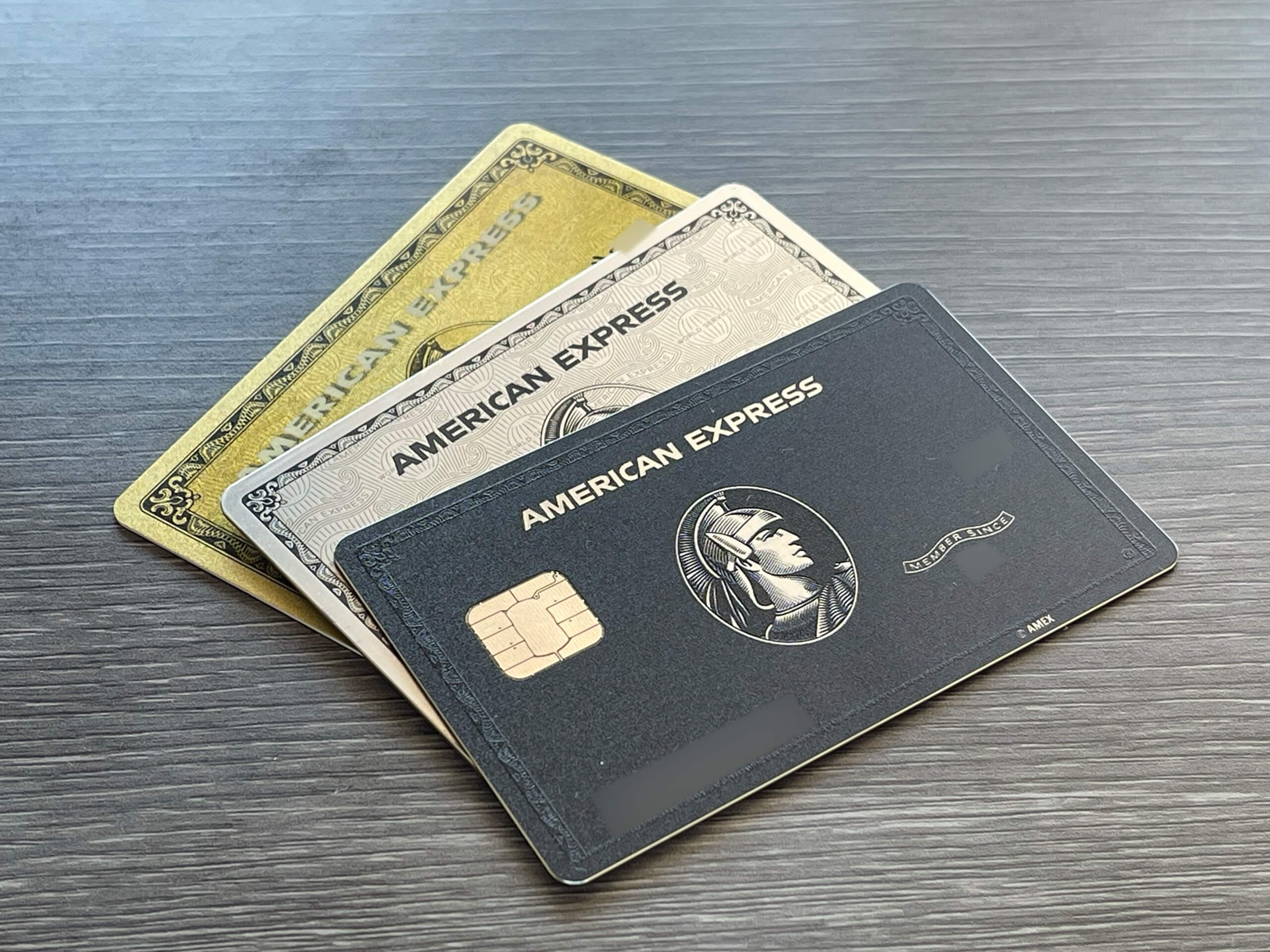
The Starting Point: Acceptance in Germany
Before I introduce the individual cards, I need to talk about the reality of Amex acceptance in Germany. Not the marketing version, but the everyday version.
In major cities like Berlin, Munich, Hamburg, and Frankfurt, acceptance is roughly 70 to 80 percent of merchants that accept card payments at all. Supermarkets like Rewe and Edeka take Amex. Most restaurants take Amex. Larger stores take Amex. Online shops accept Amex almost universally.
But: Aldi and Lidl don't take Amex. dm doesn't take Amex. Many bakeries, butchers, smaller cafes, and local shops don't take Amex. In rural areas, acceptance drops noticeably, down to roughly 40 to 50 percent.
That means: if you want to put everything on Amex to maximize points, you'll regularly hit limits. You need a Visa or Mastercard as backup. Not optional, a necessity.
Card 1: Centurion Card
My primary card for everything where Amex is accepted and where I want maximum return.
What I use it for: Restaurants, hotels, flight bookings, larger purchases online and in-store, subscriptions (where Amex is accepted), gas stations (major chains take Amex), supermarkets (Rewe, Edeka), any type of travel booking.
Why the Centurion and not another Amex: The Membership Rewards points accumulate on the Centurion the same way as on the Platinum. The difference lies in the additional perks: FHR, Concierge, Hilton Diamond, event access. Since I have the card anyway, I also use it as my primary payment method. Every euro spent generates points, and at my annual spending level, that adds up.
What I don't charge to it: Smaller amounts under 10 euros when I sense the merchant finds the Amex fees annoying. That's not a rule, it's a gut feeling. At the corner kiosk, I don't pay with the Centurion. At the Rewe self-checkout, I do.
Card 2: DKB Visa Debit Card
My backup for everything where Amex doesn't work. DKB has been my secondary bank for years, and the Visa debit card is the most pragmatic payment method available in Germany.
What I use it for: Aldi, Lidl, dm, bakeries, smaller shops, tradespeople, everything in rural areas. Plus online shops that don't take Amex (surprisingly few, but they exist). And crucially: cash withdrawals abroad.
Why DKB: Free cash withdrawals worldwide with active customer status (from 700 euros monthly deposit). No foreign transaction fee. No annual fee as part of the checking account. The DKB Visa isn't glamorous, but it works. Everywhere. Always.
What it does better than the Centurion: Cash. The Centurion has no cash function worth using. The DKB Visa provides free cash worldwide. In countries like Japan, where cash still plays a major role, or at markets in Southeast Asia, that's indispensable.
Limitations: It's a debit card, not a true credit card. That means the amount is debited immediately. For most uses, that's not a problem. But for hotel deposits or rental car bookings that require a real credit card with a credit line, it can cause issues. For those situations, I have the next card.
Card 3: Barclays Visa
My true Visa credit card for situations where a debit card isn't enough and Amex isn't accepted.
What I use it for: Rental car bookings with providers that don't take Amex or require a real credit card. Hotel deposits when I'm not booking through FHR or Amex Travel. Online purchases at merchants that accept neither Amex nor debit cards (rare, but it happens). And as an absolute backup card in case both the Centurion and DKB Visa fail for any reason.
Why Barclays: No annual fee. Decent insurance package (which I don't need because the Centurion covers everything, but it doesn't hurt). Worldwide use without foreign transaction fees. A real credit line. The Barclays Visa is the perfect third card: unobtrusive, reliable, free.
How often I actually use it: Rarely. Maybe five to ten times a month. It's the safety net, not the primary tool. But when I need it, I'm glad to have it.
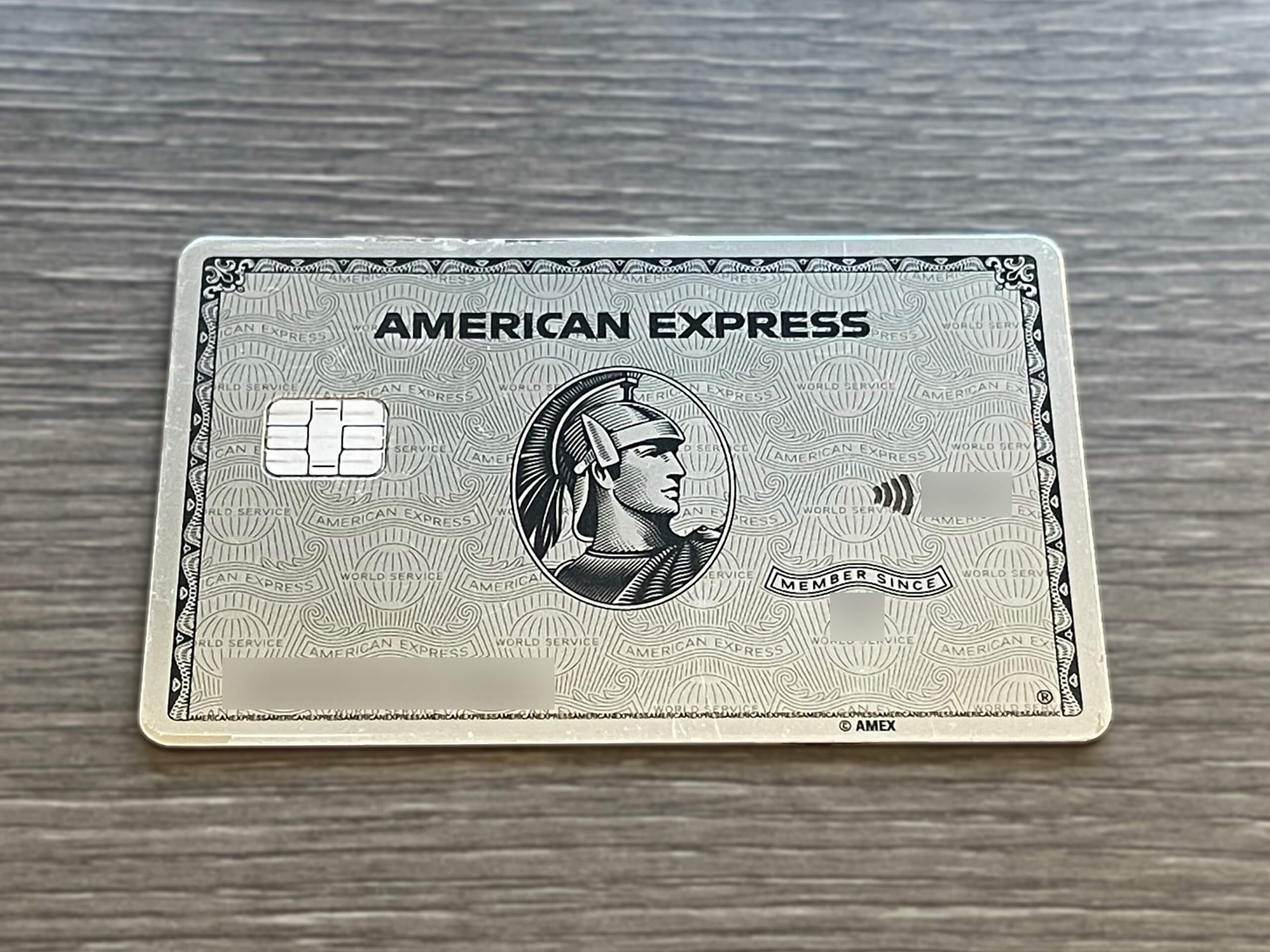
Card 4: Amex Business Platinum
The fourth card in my setup, and the only one with a specific purpose: separating business expenses from personal ones.
What I use it for: Everything business-related. Business dinners, flights for business trips, hotel bookings in a business context, software subscriptions, office supplies, client entertainment.
Why a separate card: Tax clarity. When all business expenses run through one card, the allocation at year-end is trivial. No sorting, no "was this personal or business?" questions, no extra work for the tax advisor. The monthly Business Platinum statement doubles as a clean record of all operating expenses.
Why the Business Platinum and not a Business Gold: The Business Platinum earns its own Membership Rewards points, which I can pool with my personal MR account. On top of that, it comes with its own lounge access, its own insurance coverage, and the Business Concierge. The 720-euro annual fee is manageable for a business account, especially since it's tax-deductible as a business expense.
The points synergies: MR points from the Business Platinum flow into the same pool as the Centurion's. That means every business euro generates points I can use personally for flights and hotels. With annual business spending of 30,000 to 50,000 euros, that's an additional 30,000 to 50,000 points, worth 300 to 1,000 euros at best.
The Decision at the Register
In daily life, I follow a simple decision tree. It sounds like over-optimization, but after a few weeks it becomes completely automatic.
Step 1: Is it a business expense? Yes: Business Platinum. No: proceed to Step 2.
Step 2: Is Amex accepted? Yes: Centurion. No: proceed to Step 3. Unsure: I ask. "Do you take American Express?" Most cashiers know instantly.
Step 3: Will a debit card work? Yes: DKB Visa. No (rental car, hotel deposit, etc.): Barclays Visa.
That's it. Four cards, three questions, no gaps.
The Points Strategy
The goal is simple: run as much spending as possible through Amex to maximize Membership Rewards. Every euro that doesn't go through Amex is a lost point.
In practice, I manage to route about 65 to 75 percent of my total spending through Amex (Centurion plus Business Platinum). The rest goes through DKB and Barclays, where I earn no meaningful points or rewards.
I primarily transfer my accumulated MR points to three partners:
British Airways Avios. Excellent for short-haul Business Class flights within Europe. 1:1 transfer, and with Avios you can book BA flights at reasonable prices. London flights in Business Class for 20,000 Avios plus taxes are regularly available.
Singapore Airlines KrisFlyer. For long-haul Business or First Class to Asia. The transfer is 1:1, and Singapore Airlines has one of the best premium products in the world. A Business Class flight to Singapore for 92,000 KrisFlyer miles is outstanding value.
Hilton Honors. The transfer is 1:2 (1 MR point = 2 Hilton points). Not an ideal rate, but when I need Hilton points on short notice for a booking, it's a workable option. In general, I prefer earning Hilton points directly through Diamond status.
What I don't do: redeem points through the Amex travel service. The value per point is significantly lower there than with airline transfers. And I never redeem for vouchers or products. That's burning points.
The Insurance Question
With four cards, I theoretically have four different insurance packages. In practice, I only use the Centurion Card's insurance because it's the most comprehensive.
International health insurance: The Centurion covers trips up to 90 days. The details of the Amex insurance coverage are worth reading through once. For longer stays, I'd have a separate policy, but that rarely comes up.
Trip cancellation insurance: Centurion, when the trip was booked with the Centurion. Important: the insurance only applies when the booking was made through the card. So I always book flights and hotels I want to insure through the Centurion.
Rental car insurance: Here I actually use both the Centurion and the Barclays as backup. The Centurion offers comprehensive rental car coverage. If I book a rental car with the Barclays (because Amex isn't accepted), their insurance kicks in as an alternative.
Purchase protection: The Centurion protects purchases against damage and theft for 90 days after purchase. I've actually used this twice: once for a damaged laptop, once for stolen luggage. Both times handled smoothly.
My advice: don't rely blindly on card insurance. Read the terms. There are exclusions and caps that may be relevant depending on the situation. For most trips, the Centurion insurance is more than sufficient. For special situations, such as extreme sports, travel to high-risk areas, or very expensive items, check the terms beforehand.
The Travel Setup
When I travel, I don't take all four cards. Here's what goes in the travel bag:
Within Germany and Europe: Centurion plus DKB Visa. The Barclays stays home. Within Europe, I can get by everywhere with these two cards.
USA: Centurion plus DKB Visa plus Barclays. In the US, Amex acceptance is so high that I can use the Centurion almost everywhere. The DKB is for cash (rare in the US, but tipping is sometimes easier in cash). The Barclays as absolute backup.
Asia: All three personal cards. Acceptance varies widely. In Japan, Singapore, and Hong Kong, almost everyone takes Amex. In Thailand, Vietnam, or Indonesia, Visa is the safer bet. And cash remains essential in many Asian countries, so the DKB for withdrawals is indispensable.
Business trip: Centurion plus Business Platinum plus DKB Visa. On business trips, I want business expenses cleanly on the Business Platinum. Everything personal goes through the Centurion.
One detail that's often overlooked: I have the card numbers of my key cards stored encrypted in my password manager. If a card is lost or stolen, I can immediately request a replacement and in the meantime pay online with the saved details of another card.
What I'm Considering
No setup is perfect. There are cards I'm thinking about.
A Mastercard as a supplement. There are occasional merchants that accept Mastercard but not Visa. In Germany, this is extremely rare, but it does happen. In some European countries, especially Eastern Europe, Mastercard is said to have marginally better acceptance than Visa. So far, I haven't encountered this problem often enough to justify an additional card.
The Amex Gold as an everyday card. The Gold earns 1 MR point per euro (1.5 with Punkte-Turbo on the first 40,000 euros). The Gold's annual fee is 240 euros. With Turbo at 20,000 euros in annual spending, that would be 10,000 additional points versus the base rate, roughly 100 to 200 euros in value. The math is tight, and the effort of managing yet another card doesn't seem worth it to me.
A crypto card. Some issuers offer cards with cashback in cryptocurrency. I consider this a gimmick that provides no real value for most people. The points economics of Membership Rewards outperform any crypto cashback when you use the points wisely.
What I've Removed from the Setup
Over the years, I've added and removed cards. A few examples:
Miles & More credit card. I had it for years for Lufthansa miles earning. Since I committed to Membership Rewards and transferring to partners, the separate Miles & More card no longer adds value. The miles I earn directly through flights are enough for occasional award tickets.
Amazon Visa. I had it for the Amazon cashback. Since Amazon accepts Amex, everything goes through the Centurion. The Amazon cashback was only 0.5 to 3 percent anyway, and MR points are worth more when used wisely.
Revolut. I had it as a travel debit card for foreign currencies. The DKB Visa now covers that equally well, and I save myself another app and another account.
The Philosophy Behind It
My approach can be reduced to one sentence: as much as possible through Amex, the rest through a free Visa, and use the points wisely.
That means actively deciding with every payment. Not every day, but as a default mindset. When I have the choice, the payment goes through Amex. When I don't, through DKB. The Barclays is the safety net. The Business Platinum is for business.
The effort is minimal once you've gotten used to it. After a few weeks, it's routine. You automatically reach for the right card without thinking about it.
The return is significant. With total annual spending of 120,000 to 150,000 euros (personal and business), of which 70 percent runs through Amex, I collect 85,000 to 105,000 MR points. Conservatively valued, that's 850 to 2,100 euros in return. That justifies the effort.
My Take
One card isn't enough. Not in Germany, not with Amex. Anyone who accepts that and builds a clean multi-card setup gets significantly more value from their cards than someone who randomly pulls out whichever card comes to hand.
My four-card setup isn't right for everyone. If you don't have business expenses, you don't need the Business Platinum. If you don't have a Centurion, you use the Platinum as your primary card. If you don't want Amex, you build a setup around Visa and Mastercard.
But the underlying logic stays the same: one primary card with a strong rewards program, one free backup card with broad acceptance, and if needed a third card for specific situations. Three cards, clear rules, no confusion.
What's your setup? There's no objectively best card portfolio. There's only the one that fits your spending behavior, your travel habits, and your willingness to optimize. Mine works for me. Yours needs to work for you.