Amex Platinum 2026: Is the 720 Euro Card Worth It?
 Christian··5 min read
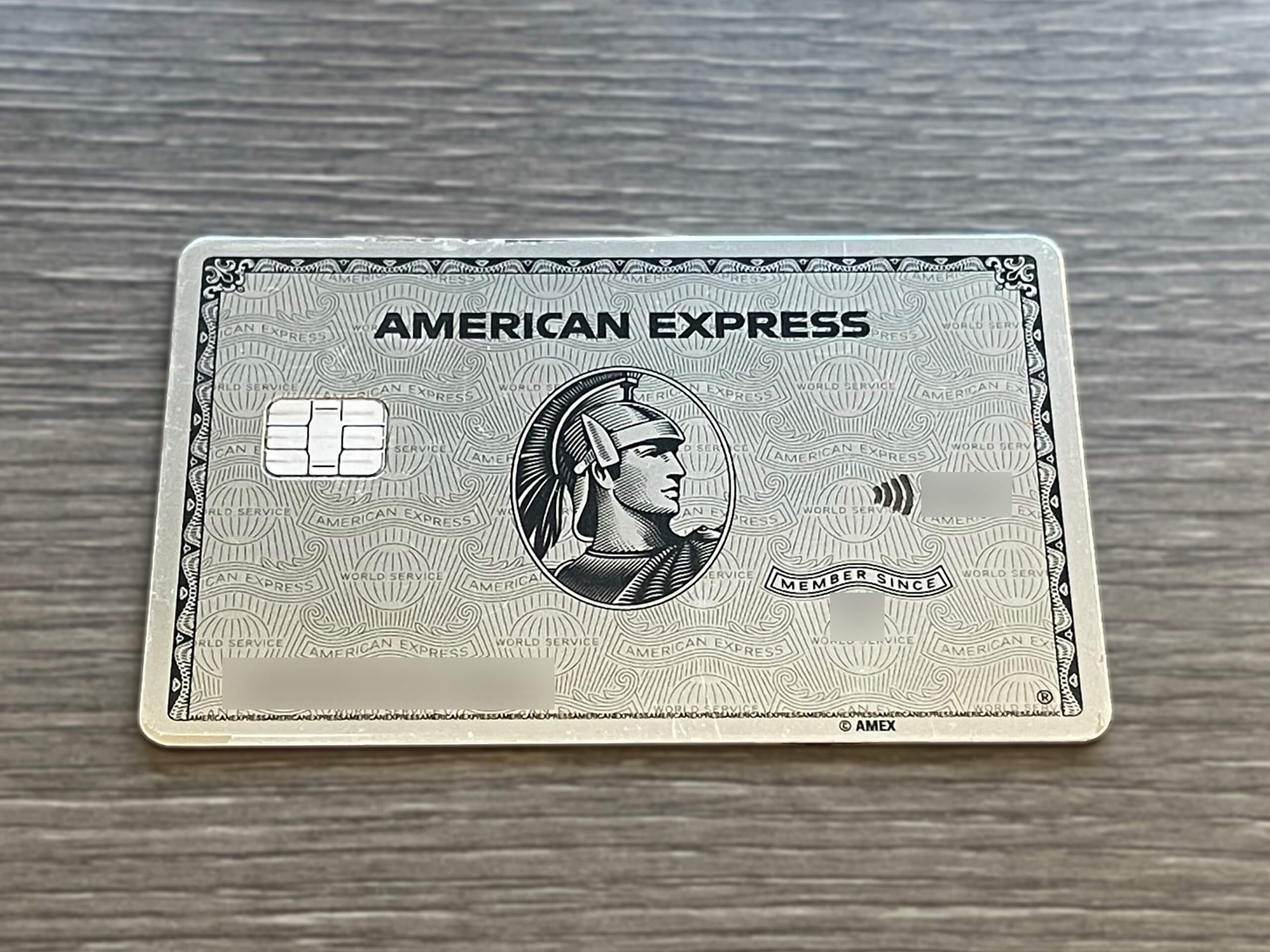
720 euros a year. That's what American Express charges for the Platinum Card. When I tell people who aren't credit card enthusiasts, the reaction is almost always the same: "For a credit card?"
I own both the Platinum and the Centurion. I still use the Platinum regularly. But I'm not here to sing its praises. The card has clear strengths and equally clear weaknesses. Whether it's worth it for you depends on your travel habits, where you live, and your willingness to work within the Amex ecosystem.
The Annual Fee in Perspective
720 euros sounds like a lot at first. And it is. There are credit cards with solid benefits packages for zero euros per year. The question isn't whether 720 euros is a lot of money. The question is whether you get enough value in return.
To answer that, let's look at what the card actually delivers. Not the marketing promises, but the real-world utility.
The Hard Value
Let's start with the things you can put a direct euro figure on.
200 euros in annual travel credit. This is a real credit you can use when booking through the Amex travel service. It's tied to Amex Travel, which can be somewhat limiting. Prices there are generally in line with the market, sometimes slightly higher, sometimes even cheaper. If you're booking flights or hotels anyway, that's 200 euros you would have spent regardless. Effective value: 200 euros.
200 euros in SIXT ride credit. Split into eight installments of 25 euros each, usable for SIXT ride trips. If you live in a city where SIXT ride is available and occasionally use ride services, this is realistically usable. If you live in the countryside or exclusively use Uber, the credit expires unused. Effective value: 0 to 200 euros, depending on usage.
Membership Rewards points. You earn one point for every euro spent. When transferred to airline partners, a point is typically worth between 0.8 and 2.0 cents. At 30,000 euros in annual spending on the card, you collect 30,000 points, which can be worth between 240 and 600 euros. That assumes you use the points wisely. More on that later.
On top of that, there's 150 euros in restaurant credit and 100 euros in Lodenfrey shopping credit (2x 50 euros). Note from 1 October 2026: each of the two 50-euro vouchers is only paid out on a 200-euro minimum spend, which makes it a 25 percent discount rather than a credit. The Business Platinum Card is exempt. Let's do a conservative calculation: 200 euros in travel credit plus 100 euros in SIXT ride (half utilized) plus 75 euros restaurant (half utilized) plus 50 euros Lodenfrey plus 300 euros in points value at moderate spending. That's 725 euros. The annual fee is already covered, and the softer benefits come on top.
The counter-calculation: you don't get money back, you get a shopping list
That is how Amex does the maths, and how most comparison articles repeat it. The decisive part is missing.
You transfer 720 euros and do not get 650 euros back. You get permission to spend 650 euros in a particular way:
- 200 euros only through Amex Travel, where you neither compare prices nor pick the provider
- 200 euros only at SIXT ride, split into eight 25-euro instalments — eight separate rides, not one amount
- 150 euros only at selected restaurants
- 100 euros only at Lodenfrey, as two 50-euro vouchers, each of which requires a 200-euro purchase from October 2026 — 400 euros of your own spend for 100 euros of credit
A restricted credit is real money only if your spending happens to match the list anyway. Where it does not, the opposite of saving happens: you buy something you would not have bought, so a voucher does not expire. You have not saved 200 euros; you have spent 200 euros and felt good about it.
For Amex this is clean business. Restricted credits steer spend to partners, cap precisely, and a share is never claimed at all. A benefit you must activate, register and use within a window costs less on average than its face value.
What that means for valuation: count each credit only at the amount you would have spent with that exact provider without the card. For most cardholders that is the travel credit and not much else.
The Platinum's real value sits in the other column — the one without conditions: lounge access, insurance, hotel status, points. Those cost no extra euro and demand no behaviour. Which is exactly why removing something from that column hurts, as with the Lufthansa lounge access.
Priority Pass: 1,400+ Lounges Worldwide
This is where it gets interesting. The Platinum comes with a Priority Pass Prestige membership that would cost 469 US dollars per year if you bought it separately. Access to over 1,400 lounges worldwide, with one guest included.
In practice: if you fly six times a year and use a lounge each time, you save yourself at least 180 to 300 euros in single-entry fees (depending on the lounge, between 30 and 50 euros per visit). Then there's the comfort factor. Not every Priority Pass lounge is outstanding, and some are actually quite disappointing. But having access, especially on long layovers or during delays, is genuine added value.
At German airports, quality varies widely. Frankfurt has several options, Munich is a bit thinner. But internationally, especially in Asia and the Middle East, there are excellent lounges in the Priority Pass network.

Hotel Status: Hilton Gold and Marriott Gold
The Platinum automatically comes with Hilton Honors Gold and Marriott Bonvoy Gold.
Hilton Gold is the more valuable of the two. You get complimentary breakfast at most Hilton properties worldwide, upgrades (subject to availability at check-in), and an 80% bonus on Hilton points. The breakfast alone can be worth 100 to 150 euros during a three-night stay. Anyone who regularly stays at Hilton hotels gets significant value here.
Marriott Gold is less impressive. You get upgrades within the same room category (so standard to a better standard, not to a suite) and a 25% points bonus. No automatic breakfast. Since Marriott adjusted its status tiers, Gold isn't what it used to be. Nice to have, but not a buying argument.
Fine Hotels & Resorts
The Fine Hotels & Resorts program (FHR) is often overlooked but is one of the best Platinum benefits. When booking through FHR, you get at select luxury hotels: a guaranteed room upgrade subject to availability, early check-in, late checkout until 4 PM, breakfast for two, and a hotel credit of typically 100 US dollars.
Room rates through FHR are generally identical to the hotel's best flexible rate. So you pay the same price but get additional perks worth 150 to 300 euros on top. If you book through FHR two to three times a year, that alone can deliver several hundred euros in value.
The catch: the selection is limited. Not every hotel participates. And you have to book through Amex Travel, which means you won't earn external loyalty points on the booking (except with Hilton and Marriott, where your status is still recognized).

SIXT Platinum Status
The Platinum comes with SIXT Platinum Status. That means: upgrades when available, preferred vehicle selection, no waiting at the counter. Anyone who regularly needs rental cars saves themselves the hassle of earning status with SIXT the hard way.
In practice, I get an upgrade with SIXT Platinum Status about 60 to 70 percent of the time. Not guaranteed, but frequent enough to make a difference.
Insurance
The Platinum comes with a solid insurance package: international health insurance, trip cancellation insurance, luggage insurance, rental car insurance. The quality is decent, not outstanding. The international health insurance covers trips up to 90 days, which is enough for most vacation and business trips.
If you've been purchasing separate travel insurance policies, you could save 50 to 200 euros per year here depending on your previous coverage. However, I recommend reading the insurance terms carefully. There are exclusions and limitations that may be relevant depending on your travel patterns.
The Concierge Service
A point that gets lost in many comparisons: the Platinum comes with a concierge service. You can call and ask for help with restaurant reservations, ticket bookings, or trip planning.
My honest assessment: the Platinum concierge is serviceable but not outstanding. For standard requests like restaurant reservations in major German cities, it works well. For more complex matters, it hits its limits. Anyone who knows the Centurion concierge will notice the difference. But for most Platinum cardholders, it's a nice extra that you won't find everywhere.
I mainly use it for last-minute restaurant reservations when I don't have time to handle it myself. In most cases, I get a response within a few hours with a confirmed reservation. Not always the restaurant I wanted, not always the time I wanted. But usually a good alternative.
Where the Platinum Falls Short
Now for the part that most reviews skim over.
Acceptance in Germany. This is still the biggest drawback. Aldi, Lidl, dm, many smaller shops, some restaurants. Amex is not accepted everywhere in Germany. It works at Rewe and Edeka now, and at many online shops too. But you can't make the Platinum your only payment method. You need a Visa or Mastercard as backup. That reduces the points value, because a portion of your spending simply doesn't go through Amex.
I estimate that I can run about 60 to 70 percent of my spending in Germany through Amex. The rest goes on a Visa. Internationally it's better, around 85 to 90 percent coverage.
The Amex app and online account. Functional but not elegant. The app does what it needs to do. Displaying transactions, checking points, activating offers. But compared to modern neobank apps like N26 or Revolut, it feels dated. Not a dealbreaker, but at 720 euros per year, you'd expect an app that does more than the bare minimum.
No real cashback. The Membership Rewards points are valuable, but only if you actively transfer them to airline partners and use them for award flights. If you don't feel like dealing with point transfers and availability searches, the points lose significant value. A simple 1% cashback on everything, like some Visa cards offer, is considerably less complicated.
The metal card is heavy. That sounds trivial, but it isn't. The Platinum is noticeably heavier than a normal credit card. You can feel it in your wallet. A luxury problem, no doubt. But even after years with the card, I still notice it.
Customer service has declined. This is a subjective impression, but one that many Platinum cardholders share. Wait times on the phone have gotten longer, and staff competence varies more than it used to. It's still better than at most banks. But at 720 euros per year, expectations are different.
The Alternatives
Miles & More Gold (Lufthansa). 110 euros annual fee, earns Miles & More miles directly, good acceptance as a Mastercard. No lounge access, no hotel status, significantly fewer insurance benefits. For frequent Lufthansa flyers who already earn their status through flights, this might suffice.
Barclays Platinum Double. No annual fee in the first year, then affordable. Visa and Mastercard as a dual pack. Solid insurance but no rewards program, no lounges, no hotel status. A good complement, not a replacement.
None of these cards play in the same league as the Amex Platinum when it comes to travel perks. But not everyone needs that league.
What I see in practice: many people combine the Platinum with a Miles & More credit card or a free Visa. The Platinum for travel benefits and points, the second card for the acceptance gaps. It's a pragmatic approach that works.
The Honest Math
Here's my personal calculation for someone who uses the card effectively:
200 euros in travel credit. 60 euros in SIXT ride (realistic). 300 euros in points value (at 25,000 to 30,000 euros in annual spending through Amex). 200 euros in lounge access (six to eight visits). 150 euros in Hilton breakfast (three to four nights). 100 euros in FHR extras (one to two bookings). 80 euros in insurance value.
Total: roughly 1,090 euros. Minus the 720 euro annual fee, that leaves about 370 euros in net value.
But this calculation only works if you actually travel. Flying six times a year, staying at Hilton three to four times, using up the travel credit, transferring points wisely. If you fly on vacation twice a year and don't travel otherwise, the math turns negative.
Who the Platinum Is Worth It For
You travel at least six times a year. You use lounges. You occasionally stay at Hilton or FHR hotels. You're willing to engage with Membership Rewards and transfer partners. You accept that you need a second card to cover the Amex gaps.
If that describes you, the Platinum is one of the best travel credit cards available in Germany. The value clearly exceeds the annual fee when you actively use the benefits.
Who It's Not Worth It For
You travel two to three times a year. You want a card that works everywhere. You don't feel like dealing with points programs. You value cashback over travel perks.
Then the Platinum is too expensive. The Amex Gold or a good Visa card is the better choice.
My Personal Verdict
I've had the Platinum for many years. Even though I mainly use the Centurion now, the Platinum remains a remarkably good card for travelers. The 720 euros is not trivial. But if you fit the profile I described above, you get back significantly more than you pay.
The most important piece of advice I can give: do the math. Not with the maximum values from the marketing materials, but with your actual usage. How often do you fly? How often do you use lounges? Do you book hotels where Hilton Gold or FHR makes a difference? Can you run enough spending through Amex?
If the honest answer to most of these questions is "yes," then the card is worth it. If you have to hesitate, probably not.
And one more thing: the Platinum is not a status card. Not really. In Germany, hardly anyone knows the difference between a Platinum and a regular credit card. Abroad, a bit more so, but even there it's nothing to define yourself by. The card is worth it because of the concrete benefits, not because of the name on the metal. Anyone who wants the card for the image pays 720 euros for a feeling. Anyone who wants it for the benefits pays 720 euros for measurable value. That difference is what matters.