Maximizing Your Amex Welcome Bonus 2026: A Guide
 Christian··5 min read
The welcome bonus is the single most important lever you have with an Amex card. In the first few months, you'll earn more points than in an entire year of regular card spending. And yet I regularly see people throw the bonus away. Wrong timing, minimum spend barely missed, or simply not knowing that a better offer was available.
I've earned the welcome bonuses on the Gold, the Platinum, and the Business Platinum. Along the way, I learned a few things that make the difference between a good and an outstanding start in the Amex ecosystem.
The current welcome bonuses
As of March 2026, the standard welcome bonuses look like this:
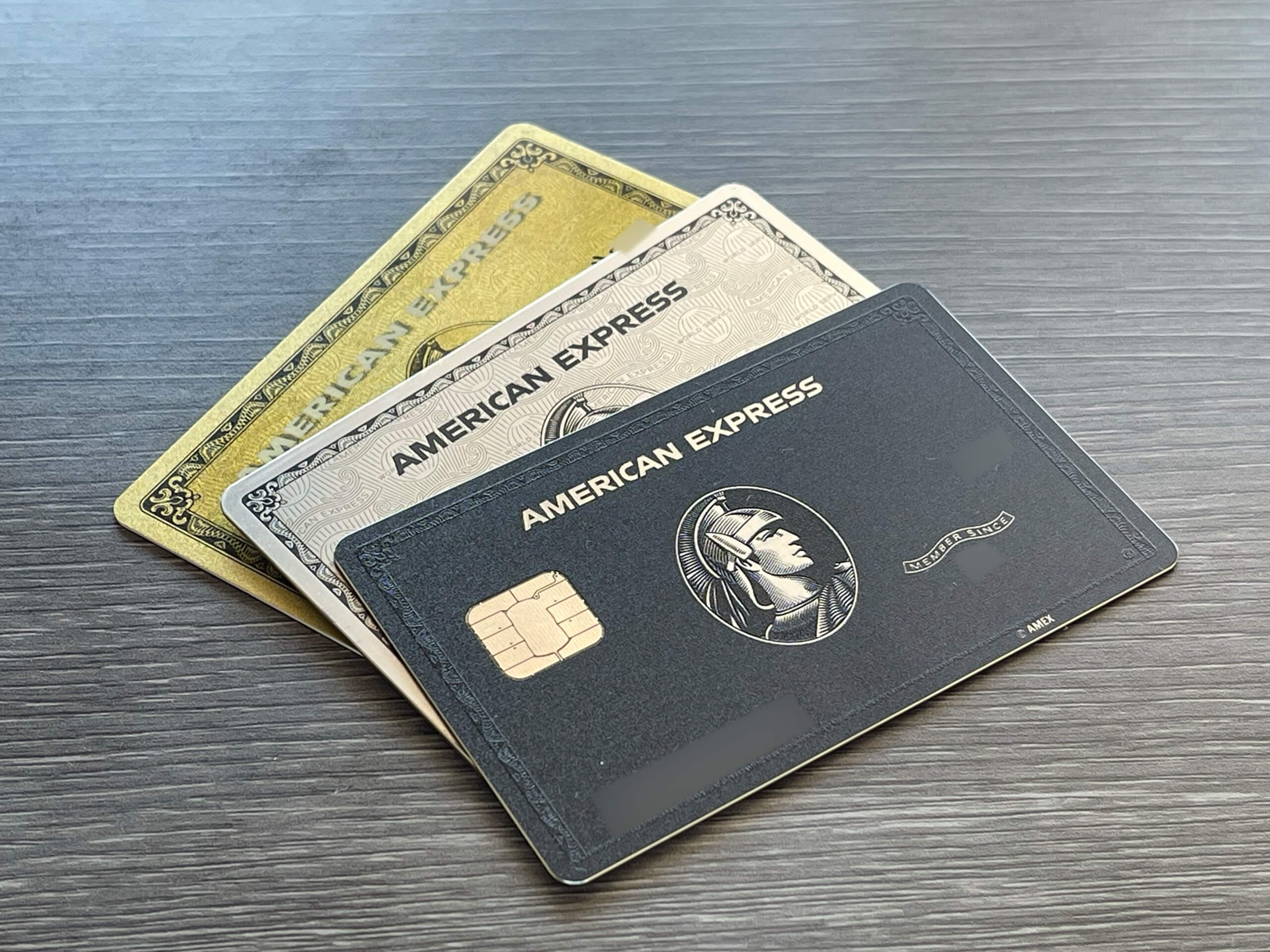
Amex Platinum: 85,000 Membership Rewards points. The requirement: 8,000 euros in spending within the first six months of receiving the card. That works out to about 1,333 euros per month.
Amex Gold: 50,000 Membership Rewards points. The requirement: 4,500 euros in spending within the first six months. That's 750 euros per month.
These figures are the standard offers. Occasionally there are special promotions with higher bonuses or lower minimum spending requirements. More on that later.
What the bonus is worth in euros
The question everyone asks: what are these points actually worth? That depends on how you redeem them.
85,000 points (Platinum bonus) via airline transfer: At a conservative value of 1.5 cents per point, that's 1,275 euros. With optimal redemption, say a business class flight to Tokyo through ANA, it can be 2.5 to 4 cents per point, meaning 2,125 to 3,400 euros. With poor redemption, like Amazon vouchers, it's 255 euros (0.3 cents per point).
50,000 points (Gold bonus) via airline transfer: Conservatively 750 euros, optimally up to 2,000 euros, poorly redeemed just 150 euros.
The difference is massive. The same 85,000 points can be worth 255 euros or 3,400 euros. The welcome bonus is only as good as your redemption strategy. Anyone who spends the bonus on vouchers is leaving money on the table.
My recommendation: transfer the points to an airline partner and redeem them for a premium flight. The math almost always works out.
Hitting the minimum spend
The minimum spend is the hurdle where some people stumble. 8,000 euros in six months sounds like a lot, but with the right planning it's achievable without artificially inflating your spending.
What counts as qualifying spend
Almost everything. Supermarket, restaurants, online shopping, gas stations, insurance premiums, streaming subscriptions, mobile phone bills. As a general rule, every regular card transaction counts toward the minimum spend.
What doesn't count: cash withdrawals, fees charged by Amex itself (like the annual fee), and in some cases transfers to financial service providers or gambling operators. The exact exclusions are listed in the terms and conditions of the respective welcome offer.
A common misconception: the card's annual fee does not count toward the minimum spend. The 720 euros for the Platinum will be charged to you, but they don't count toward the 8,000 euros.
Strategies for hitting the minimum spend
Switch your recurring bills. This is the simplest and most effective lever. Insurance, electricity, internet, mobile phone, streaming services, cloud storage, magazine subscriptions. All of these are recurring expenses that can often be paid by credit card. For many households, this adds up to 300 to 500 euros per month without spending a single extra euro.
Time larger purchases. If you already know that a new laptop, a piece of furniture, or a travel booking is coming up in the next few months, wait with the purchase until you have the card. A flight booking for 1,500 euros gets you a good chunk of the way to the minimum spend.
Run your daily life through the card. Supermarket (Rewe, Edeka), restaurants, online orders, gas stations. Anyone who consistently pays everything with Amex that Amex accepts will reach 2,000 to 3,000 euros per month in a normal household. That gets you to 8,000 euros in three to four months instead of using the full six.
What you shouldn't do: Force spending that you wouldn't have made without the bonus. The bonus loses its value if you spend 2,000 euros on things you don't need just to hit the target. The point is to bundle existing spending onto the card, not to invent new expenses.

Getting the timing right
When you apply for the card can make the difference between 50,000 and 85,000 points.
Seasonal special offers
Amex regularly adjusts its welcome bonuses. There are periods with elevated bonuses and periods with standard offers. Historically, the best offers have often appeared during these windows:
Fall (September to November). Amex frequently launches campaigns toward the end of the year to attract new customers. In recent years, this period has regularly featured elevated bonuses or reduced minimum spend requirements.
Spring (February to April). Another window where Amex occasionally raises the bonuses. Less reliable than fall, but worth keeping an eye on the offers.
There's no guarantee that any particular month will always be better than another. But there's a pattern: standard offers run for months, and in between there are peaks. If you can wait a few weeks, you have a good chance of landing a better offer.
Making the most of the minimum spend deadline
The six months start from when you receive the card, not from when you apply. If you get the card at the beginning of January, you have until the end of June. That sounds generous, but there's a strategic angle: apply for the card so that the minimum spend period coincides with your high-spending months.
If you know you'll be booking a big trip in summer or doing Christmas shopping in fall, plan your card application accordingly. It sounds obvious, but I've seen someone apply for the card in November and then struggle to hit the minimum spend in January and February, which are typically low-spending months.
The referral bonus
An aspect many people overlook: if you already have an Amex card, you can earn a referral bonus for recommending new cardholders. And the person you refer often gets an offer that's just as good as, or even better than, the standard one.
How it works
You generate a personal referral link in your Amex account. When someone applies for an Amex card through that link and meets the conditions, you typically receive 15,000 to 20,000 Membership Rewards points as a thank-you. You can make multiple referrals per year, but there's a cap (currently usually 55,000 points per year).
From the referred person's perspective
For the person applying through a referral link, the offer is usually identical to the current public welcome bonus. In some cases, it's even better. So it's worth asking someone who already has an Amex if they can send you a referral link before you apply. You both benefit.
What I've learned from this
The referral bonus is a significant additional earner for existing Amex holders. Last year, I collected over 40,000 points through referrals alone. Those are points I didn't spend a single euro to earn. If you recommend the Amex to people in your circle who are already interested, it's one of the most efficient ways to top up your points balance.
Important: only recommend the card to people who will actually benefit from it. Nothing ruins a friendship faster than advising someone to spend 720 euros on a credit card they'll never make good use of.
Platinum or Gold: which bonus to grab first
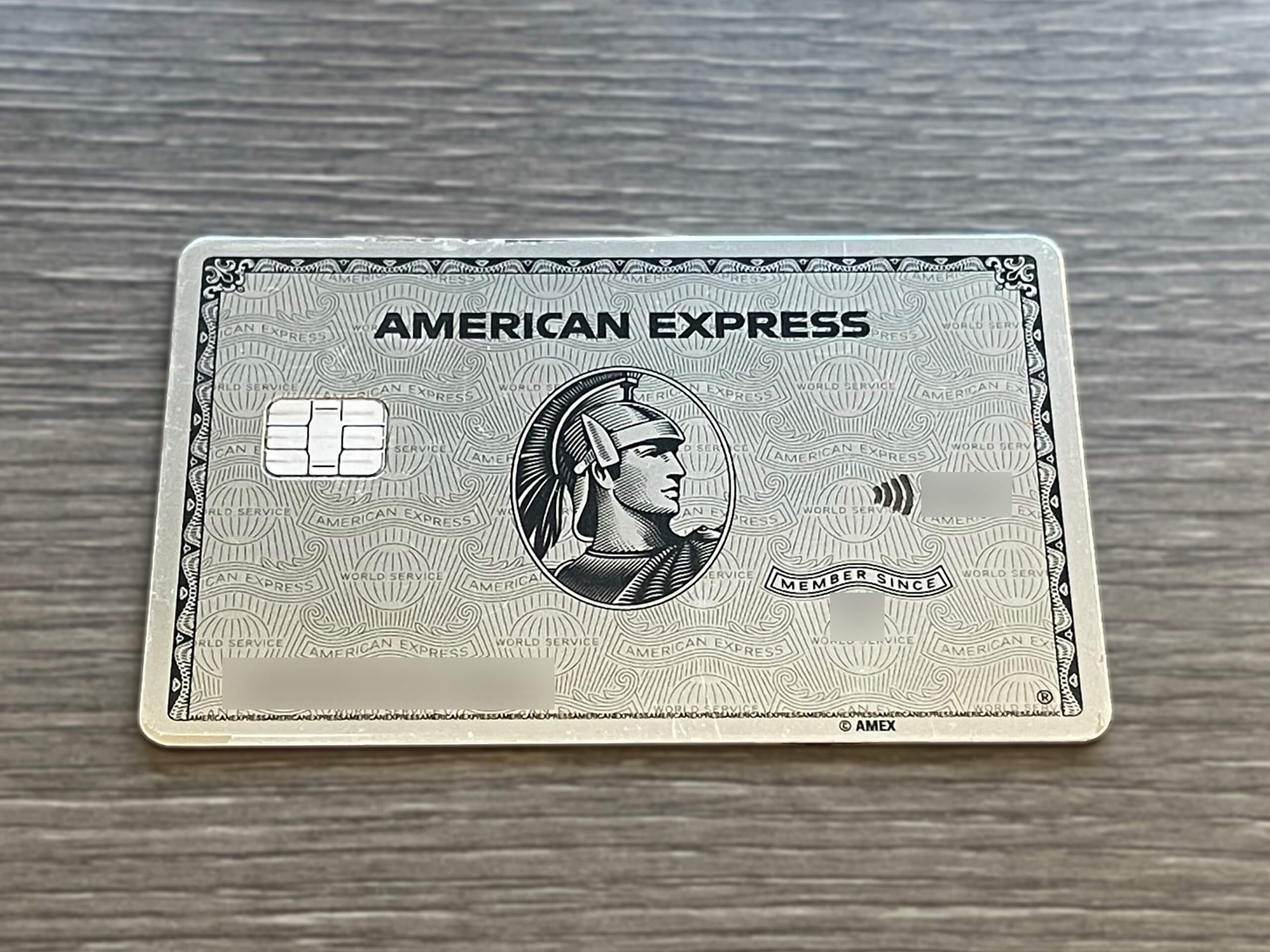
If you don't have an Amex yet and you're considering which card to apply for, the question comes up that I also cover in the Gold vs. Platinum comparison: is it worth getting the Gold first, earning the bonus, and then upgrading to the Platinum? Or should you go straight for the Platinum?
Go straight for the Platinum
The advantage: you immediately get the higher bonus (85,000 instead of 50,000 points) and instant access to all Platinum benefits. If you know you want to use the Platinum long-term, the direct route is the simplest.
Gold first, then Platinum
The advantage: you earn two welcome bonuses. First 50,000 points for the Gold, then with a later upgrade or separate application for the Platinum another 85,000 points. That's 135,000 points total instead of 85,000.
The catch: there are conditions. Amex has rules about whether you receive a welcome bonus if you already own or have previously owned another Amex card. In the German market, it's generally possible to earn the bonus for different card products because the Gold and the Platinum are classified as separate products. But the exact terms can change, and Amex reserves the right to deny bonuses if you've previously held the same product.
My advice: if you're sure the Platinum is the right card for you, go for it directly. The detour through the Gold only makes sense if you're genuinely willing to take one to two years and actively use the Gold in the meantime. Simply "bonus-hopping" from Gold to Platinum within a few months can result in Amex refusing the second bonus.
Common welcome bonus mistakes
I've repeatedly observed these mistakes among people I know.
Barely missing the minimum spend. The most frustrating of all mistakes. 7,800 euros instead of 8,000. Zero points instead of 85,000. Check your spending regularly in the app and make sure you don't hit the minimum spend at the very last day by the skin of your teeth, but with a buffer.
One detail: not every transaction posts immediately. A payment you make on the last day of the deadline may not show on your statement until after the cutoff. So plan at least a week of buffer.
Taking the wrong application path. Sometimes a referral link offers a better deal than the Amex website. Or the other way around. Before applying, compare the different channels: the official Amex site, referral links from people you know, and any partner offers. Five minutes of research can mean a difference of 10,000 to 20,000 points.
Earning points but never redeeming them. I know people who earned the welcome bonus three years ago and have let the points sit in their account ever since. Points that aren't redeemed are worthless. Common credit card mistakes like this one are easy to avoid. They don't lose value (as long as the card is active), but they're not doing you any good either. Make a plan for how you'll use the points before you apply for the card.
Canceling the card right after the bonus. This is technically possible, but there are reasons not to do it. First, it doesn't make a good impression with Amex if you get a card just for the bonus and cancel a few months later. That can affect future applications. Second, you'll lose all points that haven't been transferred when you cancel. Third, beyond the bonus, the card has benefits that may justify its price. If you're getting the card solely for the bonus and don't plan to use it afterward, consider whether the card is really the right one for you.
The math with a concrete example
Let's say you apply for the Amex Platinum, earn the 85,000 points, and transfer them to British Airways Avios.
85,000 Avios are enough for a business class round trip from Germany to the US (50,000 Avios one-way, so 100,000 for the round trip). Just short. You still need 15,000 points, which you'll collect during the six months of minimum spend anyway (8,000 regular points plus bonus Offers).
Alternatively: 85,000 Avios easily cover two to three intra-European business class round trips (25,000 to 35,000 Avios per round trip). These flights normally cost 500 to 1,200 euros each. The welcome bonus alone gets you flights worth 1,000 to 3,600 euros.
Or you transfer the 85,000 points to ANA and have almost enough for a business class round trip to Japan (88,000 miles). A flight that normally costs 3,500 to 5,000 euros. You'll collect the missing 3,000 points in one month of regular card use.
In every one of these scenarios, the value of the welcome bonus significantly exceeds the annual fee of 720 euros. That's why the welcome bonus is so crucial: it makes the first year with the Platinum an almost guaranteed win, even if you put the card under scrutiny afterward.
Summary: step by step
First: watch the current offers. Is there an elevated bonus or a special promotion right now? If yes, go for it. If not, and you can wait, keep an eye on things for a few weeks.
Second: check whether a referral link offers a better or equivalent deal. Ask around in your circle.
Third: plan the minimum spend. Which recurring bills can you switch to the card? Are there bigger purchases coming up? Realistically calculate whether you can reach the 8,000 euros (Platinum) or 4,500 euros (Gold) in six months.
Fourth: time your card application so the deadline aligns with your high-spending months.
Fifth: track your spending in the app. Don't leave the minimum spend to the last week.
Sixth: have a plan for the points. Which airline partner? Which flight? When do you want to fly? Points are most valuable when you transfer them with a specific goal in mind.
The welcome bonus is by far the fastest way to build a meaningful points balance. Everything else, the regular earning in daily life, the Amex Offers, the bonus promotions, takes months and years. The welcome bonus gets you more points in a few months than an entire year of card spending. That makes it the single most important element of your Amex strategy. And that's exactly why it's worth getting it right.