Is a Premium Credit Card Worth It in 2026?
 Christian··5 min read
Someone asks me which credit card I recommend. I ask back: how often do you fly per year? How often do you stay in a hotel? How much do you spend monthly on a credit card? Usually there's a pause. Then an answer that shows the free DKB Visa would be the better choice than anything I personally use.
That sounds strange on a website that covers premium credit cards. But that's exactly the point: a premium credit card is a tool. If you don't need the tool, it doesn't matter how high-end it is.
The Honest Question
The credit card industry thrives on people believing that a more expensive card is automatically a better card. The truth is: a credit card is worth its fee exactly when you use its benefits. Not "could use," but actually use. The difference between theory and practice determines whether you're investing wisely or burning money.
What Premium Credit Cards Offer
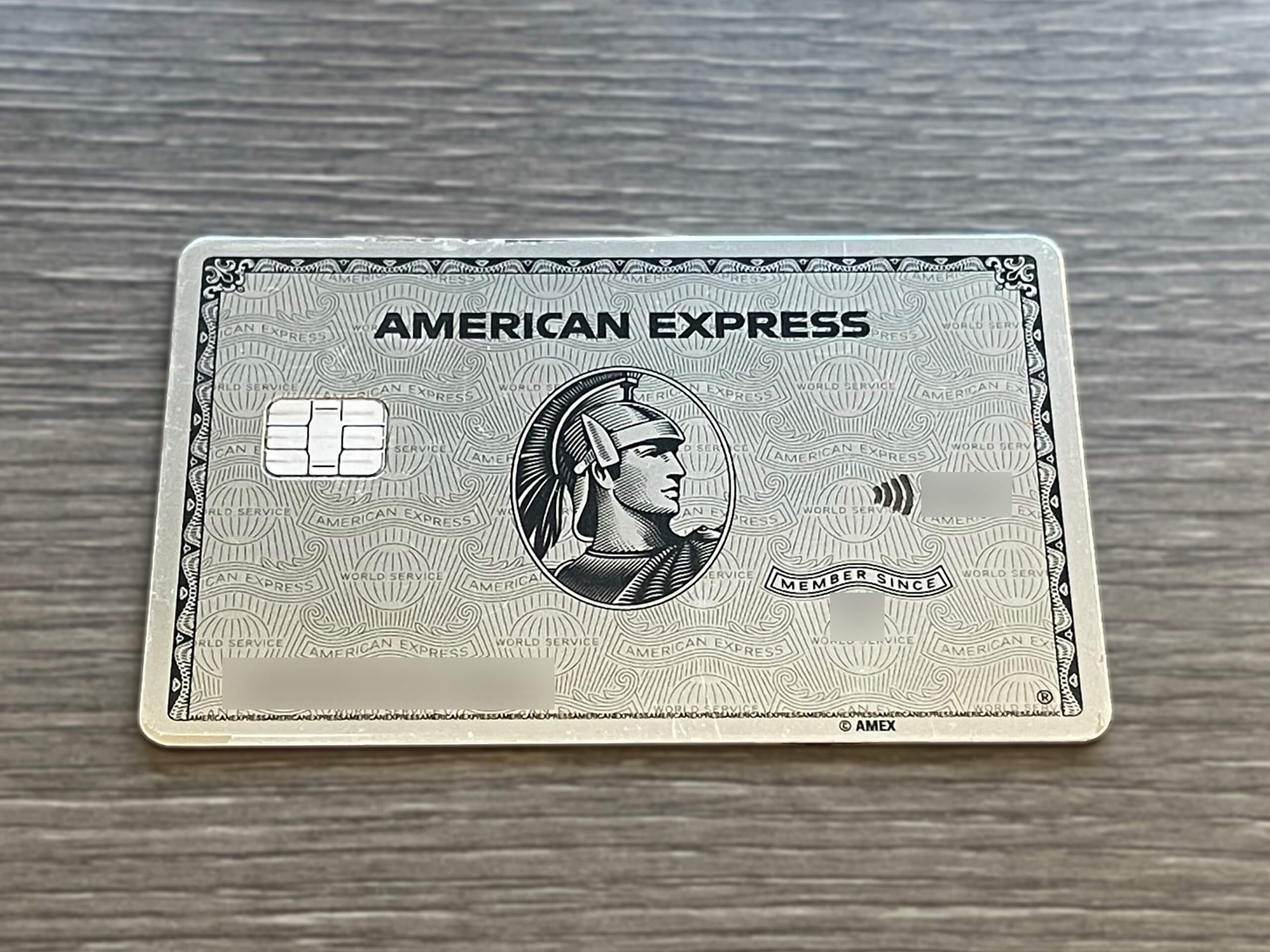
Before we discuss the pros and cons, here's an overview of the typical benefits of a premium credit card like the Amex Platinum (720 euros/year) or comparable products.
Travel Benefits
Lounge access through Priority Pass or proprietary lounge networks. With the Platinum, that's over 1,400 lounges worldwide. Each lounge visit saves you 30 to 50 euros in entry fees. Some cards also include travel credits you can apply to bookings. The Platinum offers 200 euros in annual travel credit through Amex Travel.
Hotel status: the Platinum comes with Hilton Gold and Marriott Gold; the Centurion additionally includes Hilton Diamond. Hilton Gold alone can deliver 50 to 150 euros in breakfast and upgrade value per hotel stay. Fine Hotels & Resorts provides additional breakfast, hotel credit, and late check-out on qualifying bookings.
Insurance
International health insurance, trip cancellation insurance, baggage insurance, rental car insurance, purchase protection. The insurance package of a Platinum replaces separate policies that would otherwise cost you 100 to 300 euros per year. The quality of the insurance is solid, in some areas even better than dedicated standalone policies.
Points and Miles
Membership Rewards points that you earn on every purchase and can transfer to airline partners. With smart transfers, the value sits at 0.8 to 2.0 cents per point. With 30,000 euros in annual spending, you earn 30,000 points, meaning 240 to 600 euros in value depending on redemption.
Status and Convenience
SIXT Platinum status (upgrades, preferred treatment), Concierge service (restaurant reservations, travel planning), preferred handling when problems arise. Things that are hard to quantify in euros but make a difference in daily life.
The Honest Argument Against
Now for the part that's missing from most credit card reviews.
High Annual Fees
720 euros for the Platinum. That's 60 euros per month. Every month. Whether you use the card or not. If you don't travel for two consecutive months, you've paid 120 euros for nothing. The annual fee isn't a one-time purchase price; it's an ongoing obligation that has to justify itself every month.
Amex Acceptance in Germany
The biggest problem with American Express in Germany is acceptance. Aldi, Lidl, dm, many smaller shops and restaurants don't accept Amex. Even with online shops, Amex is regularly missing as a payment option. In practice, this means: you can't use the Amex Platinum as your only card. You need a Visa or Mastercard as backup.
That has two consequences. First: you don't earn points on all your spending, which reduces the points return. Second: you're carrying a second card anyway, which raises the question of why you don't just use that second card as your primary.
You Have to Travel Enough
The most valuable benefits of a premium card are travel benefits. Lounge access, hotel status, FHR, travel credit, insurance. If you fly three times a year, all short-haul within Europe, you'll use a fraction of these benefits. Lounge access doesn't do much for a 90-minute flight to Barcelona. Hilton Gold status is worthless if you book Airbnb on vacation.
The rule of thumb I use: if you fly fewer than six times a year and spend fewer than ten nights in hotels, it becomes hard to justify the 720 euros.
Opportunity Cost
720 euros per year is 720 euros you could invest differently. Put into an ETF, it grows over the years. Used for a family trip, it creates memories directly. The question isn't just "is the card worth it," but also "is there something better I could do with this money."

The Break-Even Calculation
When does the premium card earn back its cost? I'll use the Amex Platinum as an example.
Profile 1: Infrequent Traveler
Three flights per year, five hotel nights, 20,000 euros in annual Amex spending.
- Lounge access: 3 visits x 35 euros = 105 euros
- Hotel status: 2 stays with breakfast value x 60 euros = 120 euros
- Travel credit: 200 euros (when fully used)
- Points: 20,000 points x 1.0 cent = 200 euros
- Insurance: 100 euros in savings
Total: 725 euros. Just above the annual fee. But only if everything goes perfectly. Realistically, you'll land at 500 to 600 euros because you won't use every lounge and won't fully redeem every credit. Result: the card effectively costs you 100 to 200 euros per year, for which you get insurance and convenience. Possible, but not compelling.
Profile 2: Regular Traveler
Eight flights per year, fifteen hotel nights, 40,000 euros in annual Amex spending.
- Lounge access: 8 visits x 40 euros = 320 euros
- Hotel status: 5 stays with breakfast/upgrade value x 100 euros = 500 euros
- FHR bookings: 2 bookings x 200 euros in added value = 400 euros
- Travel credit: 200 euros
- SIXT ride credit: 60 euros
- Points: 40,000 points x 1.0 cent = 400 euros
- Insurance: 200 euros in savings
Total: 2,080 euros. Well above the annual fee. The card generates nearly 1,400 euros in net value. Here, it clearly pays for itself.
Profile 3: Frequent Traveler / Business Traveler
Twenty flights per year, thirty hotel nights, 80,000 euros in annual Amex spending.
- Lounge access: 20 visits x 40 euros = 800 euros
- Hotel status: 10+ stays, some with suite upgrades = 1,200 euros
- FHR bookings: 4 bookings x 250 euros = 1,000 euros
- Travel credit: 200 euros
- SIXT ride + SIXT status: 200 euros
- Points: 80,000 points x 1.2 cents (with optimized transfer) = 960 euros
- Insurance: 250 euros
- Concierge value: 300 euros (time saved through regular use)
Total: 4,910 euros. The Platinum generates five to six times its cost here. And at this profile, the question of whether the Centurion makes sense also starts to emerge.
For Whom the DKB Visa Is the Better Choice
I say this without irony: for the majority of people in Germany, the free DKB Visa debit card (or a comparable free card) is the better choice than any premium credit card.
You pay 0 euros in annual fees. You have worldwide acceptance that's significantly better than Amex. You can withdraw cash for free worldwide. You don't need a second card as backup.
The DKB Visa has no lounges, no travel credit, no insurance, no Concierge. But if you don't use those things, they're not worth anything either.
An honest question for you: if in the past twelve months you've flown fewer than six times, spent fewer than ten nights in hotels, and charged less than 25,000 euros on a credit card, then a premium card probably isn't a good deal for you. The DKB Visa, supplemented with travel insurance for 30 to 50 euros per year, covers your needs at a fraction of the cost.
The Status Argument
Now for the uncomfortable part. One reason many people have premium cards is status. Putting the heavy metal card on the table. The feeling of belonging to an exclusive club. Knowing you have "something better."
I say this without judgment: if status is the main reason for your premium card, you're paying 720 euros a year for a feeling. That's entirely your right. But it's not a rational reason, and you should be aware of that.
In reality, no one at the register cares about your card. The waiter at the restaurant sees hundreds of cards per week. So does the taxi driver. The Platinum Card doesn't make an impression that you couldn't also make through other means.
Where status actually makes a functional difference: at hotel check-in, when you have a high status and the upgrade depends on it. At the rental car counter, when the SIXT employee sees your status. But that's not status in the social sense; that's a performance feature.
My Approach
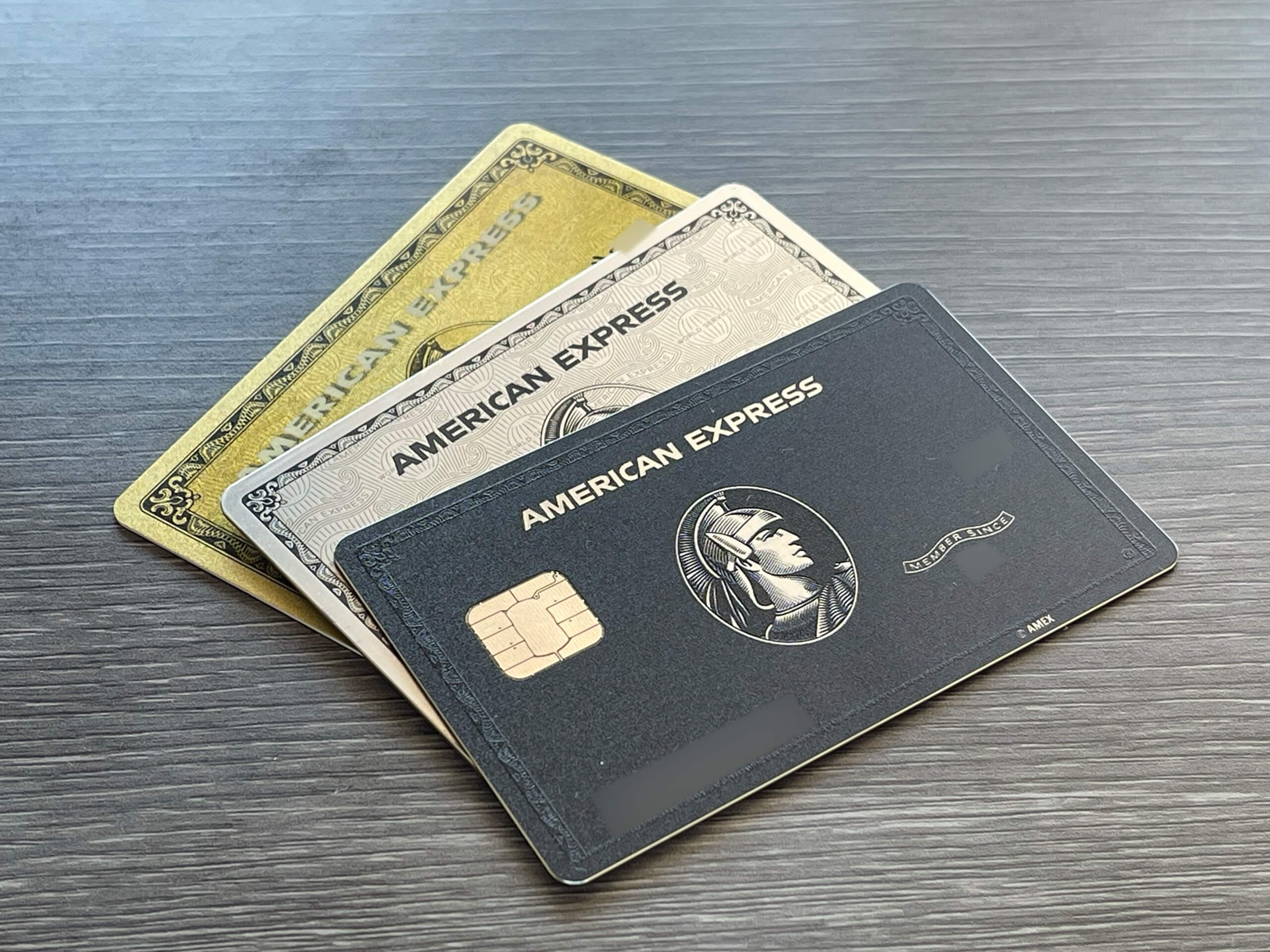
I use premium credit cards as tools. Nothing more and nothing less. The Platinum is my primary payment method where Amex is accepted. The Centurion I use for the Concierge and specific travel situations. Alongside, I have a Visa as backup for everywhere Amex doesn't work.
I calculate every year whether the cards are worth it. Not vaguely, but concretely. What value did I extract? What would I have paid without the cards? If the math doesn't work, I'd cancel the card.
So far, the math works because I travel a lot, use the Concierge regularly, transfer points wisely, and actively use the insurance. But I'm not average. My usage pattern is significantly above what most cardholders will realistically achieve.
The Questions You Should Ask Yourself
Before you apply for a premium credit card, answer these questions honestly:
How many times have you flown in the past twelve months? Not how often you'd like to fly. How often you actually flew.
How many nights did you spend in hotels? Actual hotel nights, not Airbnb, not at friends' places, not in a vacation rental.
How much did you spend on a credit card last year? And how much of that at places that accept Amex?
Did you need or purchase travel insurance in the past twelve months?
Do you use rental cars regularly?
If you can answer three or more of these questions with a substantial number, a premium card will probably be worth its cost. If the answers are rather thin, save yourself the 720 euros.
The Middle Ground
It doesn't have to be the Platinum right away. The Amex Gold costs 240 euros per year and offers 1 Membership Rewards point per euro (1.5 with the optional Punkte-Turbo on the first 40,000 euros), solid insurance, and a decent baseline service. For many travelers who fly four to six times a year and occasionally stay in hotels, the Gold is the sweet spot: enough value to justify the price, without the commitment of the high Platinum fee.
And if even 240 euros is too much: the Payback Amex costs 0 euros and at least earns Payback points, which can be converted to Miles & More miles. Not a premium product, but a free entry point into the Amex ecosystem.
My Take
A premium credit card is like a gym membership. It's worth it exactly when you go. The best card in the world, unused in a drawer, is 720 euros wasted. The same card, actively used by someone who travels a lot, can return many times its cost.
Anyone who tells you a premium card is worth it for everyone is trying to sell you something. Anyone who tells you premium cards are nonsense in general has never used one properly. The truth, as so often, lies in between. It depends on you. On your life, your travel behavior, your willingness to actively use the benefits.
Calculate honestly. Decide soberly. And if the free DKB Visa is the right choice for you, that's not a downgrade. It's the smarter choice.