Christian
In this article
On a bank's product page, the three programs look interchangeable: a four-digit lounge count, an app icon, a promise of quiet before departure. The difference that actually affects you at the airport is not on that page. It sits in who bills you, how many times you get in for free and whom you may bring.
This article sorts them by what structurally separates them. Which German lounges are worth your time at all is covered in the overview of Priority Pass lounges in Germany.
Who Runs the Programs
Priority Pass and LoungeKey both belong to the Collinson Group. That is the point missing from most comparisons: these are not two competing networks but two distribution channels of the same operator.
Priority Pass is the consumer-facing brand, with its own membership, digital card and tiers. You can buy it directly, without any premium card. LoungeKey is the version built for card issuers. There is no separate membership: access runs through the credit card itself, scanned at the reception desk.
DragonPass is the outsider in this trio, an independent operator of Chinese origin. The product is app-first and has always covered more than lounges, airport restaurant credit in particular. DragonPass also sits behind Visa's lounge program, marketed as Visa Airport Companion.
Which Card Delivers Which Program
The rule of thumb is uncomfortably simple: the card scheme decides, not the bank.
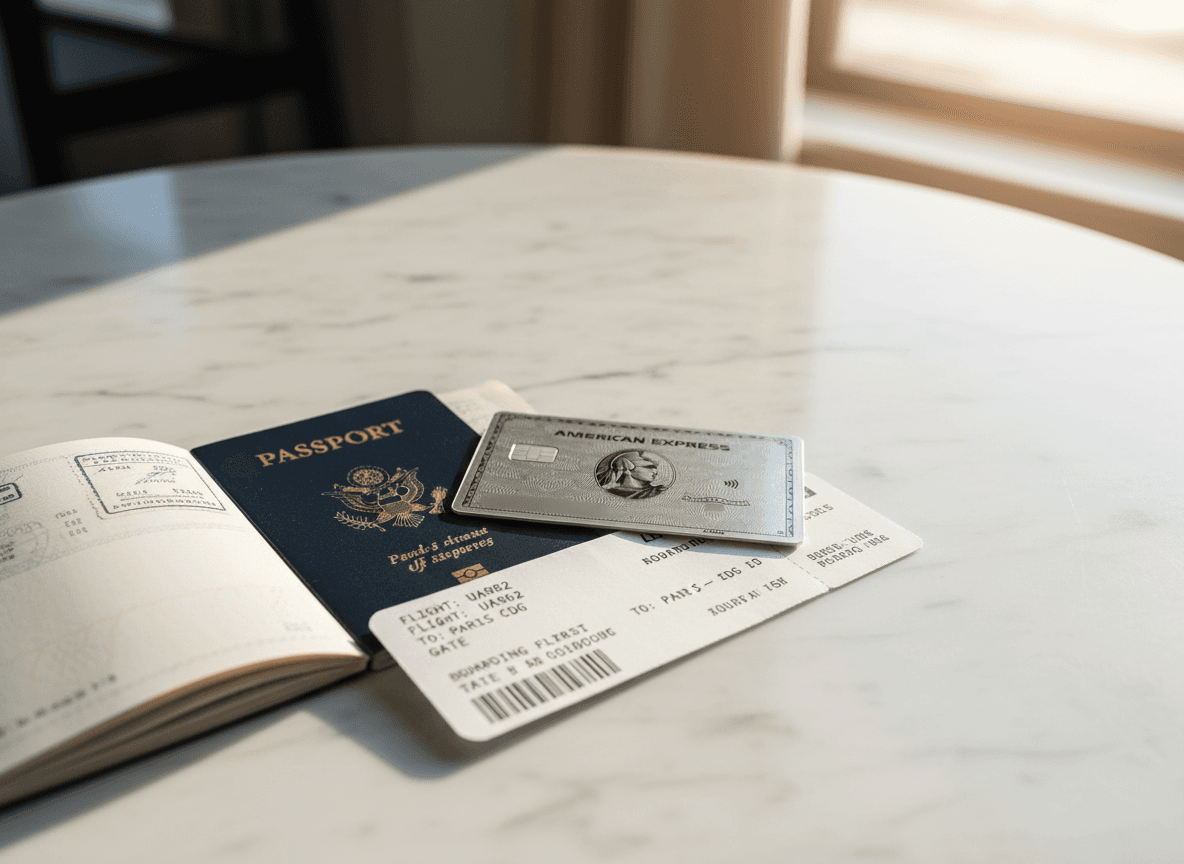
- American Express: Priority Pass. Platinum, Business Platinum and Centurion all come with a membership. Amex's own Centurion Lounges run separately and are not part of the Priority Pass network.
- Mastercard World Elite: usually LoungeKey in Europe, sometimes branded as Mastercard Airport Experiences. Whether visits are free or charged per entry is set by the issuer, not by Mastercard.
- Visa Infinite: typically Visa Airport Companion, which means DragonPass under the hood.
- Fintech metal cards: mixed. Either DragonPass or LoungeKey depending on provider and plan generation, and that assignment has been switched before.
- Miles and More cards do not play in this field. They offer vouchers for Lufthansa lounges at best, a different model with different rules.
For your own card, do not rely on this rule of thumb or on the marketing page, rely on the terms and conditions. Look for two things there: the name of the program and the number of free visits per year, including whether companions count against them.
The Networks Overlap More Than the Marketing Suggests
Because Priority Pass and LoungeKey are run by the same company, they rest on the same contracts with the same lounge operators. At many airports you will therefore find the same lounge under both names, typically the large chains like Plaza Premium, Aspire, Primeclass or Marhaba. The DragonPass network also draws on a large share of these independent lounges, with a clear focus on Asia.
The practical consequence: a second program mainly expands your visit budget, not your network. Anyone expecting LoungeKey to unlock new lounges on top of Priority Pass will mostly find the same doors in Europe.
The advertised network sizes are useless as a criterion anyway. All three count far more than lounges these days, including restaurants, spas, sleep pods and transfer services, and each counts differently. Comparing two numbers means comparing two counting methods.
Where the Differences Are Real: Billing
This is where the programs genuinely diverge, not on quality but on mechanics.
Free visits versus pay per visit. Priority Pass has membership tiers, from a set number of free visits per year up to unlimited access for the cardholder. LoungeKey is frequently issued as pay per visit: access yes, cost per person per visit, unless the issuer covers a certain number. With DragonPass it depends on the card program, and the free visits can often be split between lounge entry and restaurant credit.
Who gets charged. With LoungeKey the amount hits the card you checked in with. With Priority Pass it runs through the card stored in the membership. Both regularly mean the charge only appears weeks after the trip. Check your statements, incorrect charges do happen.
The unit of counting. Visits are counted per person, not per card. Two people in one lounge consume two visits. Miss that, and an allowance of four visits is gone after two trips as a couple.
The reset date. Some programs count by calendar year, others by card or membership year. That decides whether a December flight hits the old allowance or the new one.
The way in. Priority Pass and DragonPass work with a digital card or QR code in the app, LoungeKey typically with the physical credit card. For app-based access, load the digital card before your flight: an app without a connection opens no doors.
Guest Rules: Where It Gets Expensive
Guest rules are not attached to the program brand but to the card that gets you the program. The same Priority Pass brand can include companions through one card and charge for every guest through the next.
The guest fee applies per person per visit and sits in a two-digit amount, billed in euros or dollars depending on the program. With dollar billing, your card's foreign transaction fee comes on top. For children, the individual lounge's house rules apply rather than the program rules: some admit small children for free, others do not, and some refuse minors in bar areas entirely.
If you regularly travel as a pair, add up a year of guest fees and compare them against the cost of a supplementary card with its own lounge access. Depending on how often you fly, that calculation tips either way.
What None of the Three Programs Does
No program guarantees entry. Lounges are allowed to turn you away when full, and they do. On top of that come house rules the program cannot override: admission only two or three hours before departure, time limits, dress codes, no access after landing.
Second, the networks are not stable. Lounge operators cancel contracts, card issuers lose access. The Lufthansa lounges that disappeared for Amex cardholders are exactly that kind of case. What the app shows today is not a commitment for next year.
Third, none of the three replaces a lounge you get through airline status or ticket class. The independent contract lounges normally sit below that level on food, quiet and showers. More on that in the lounge guide for frequent travelers.
When It Is Not Worth It
With few flights per year, none of the three works as an argument for a card. Two or three lounge visits are no counterweight to a three-digit annual fee, and that holds regardless of the program name. Same logic as the question of whether a premium card is worth it at all.
The benefit is also limited on direct flights out of smaller German airports, which often have a single contract lounge or none at all. And a family of four can pay more at the reception desk than a terminal meal would have cost. In those cases, the fast lane at security often buys more time than the lounge.
Conclusion
Priority Pass and LoungeKey are two faces of the same Collinson network. DragonPass is a separate provider with an Asian focus and restaurant credit as a genuine extra. In practice the card scheme decides: Amex delivers Priority Pass, Mastercard World Elite usually LoungeKey, Visa Infinite usually DragonPass via Visa Airport Companion.
That makes the program brand the worst available comparison criterion. The relevant questions are in your card's terms: how many free visits, do companions count, when does the allowance reset, and what does a guest cost. Running two programs in parallel only makes sense if you need more visits, not because you hope for more lounges. How that fits into a card setup is covered in the best credit card combinations.