Amex Platinum Insurance 2026: What's Actually Covered
 Christian··5 min read
The insurance benefits of the Amex Platinum are prominently advertised by American Express. Trip cancellation, international health insurance, luggage protection, rental car collision damage waiver, purchase protection. On paper, it sounds like an all-in-one package that makes separate travel insurance policies unnecessary.
In practice, it's more complicated. I've used the insurance multiple times and in the process learned where it works well, where the gaps are, and which conditions only become apparent in the event of a claim if you haven't read the fine print beforehand.
Trip Cancellation Insurance
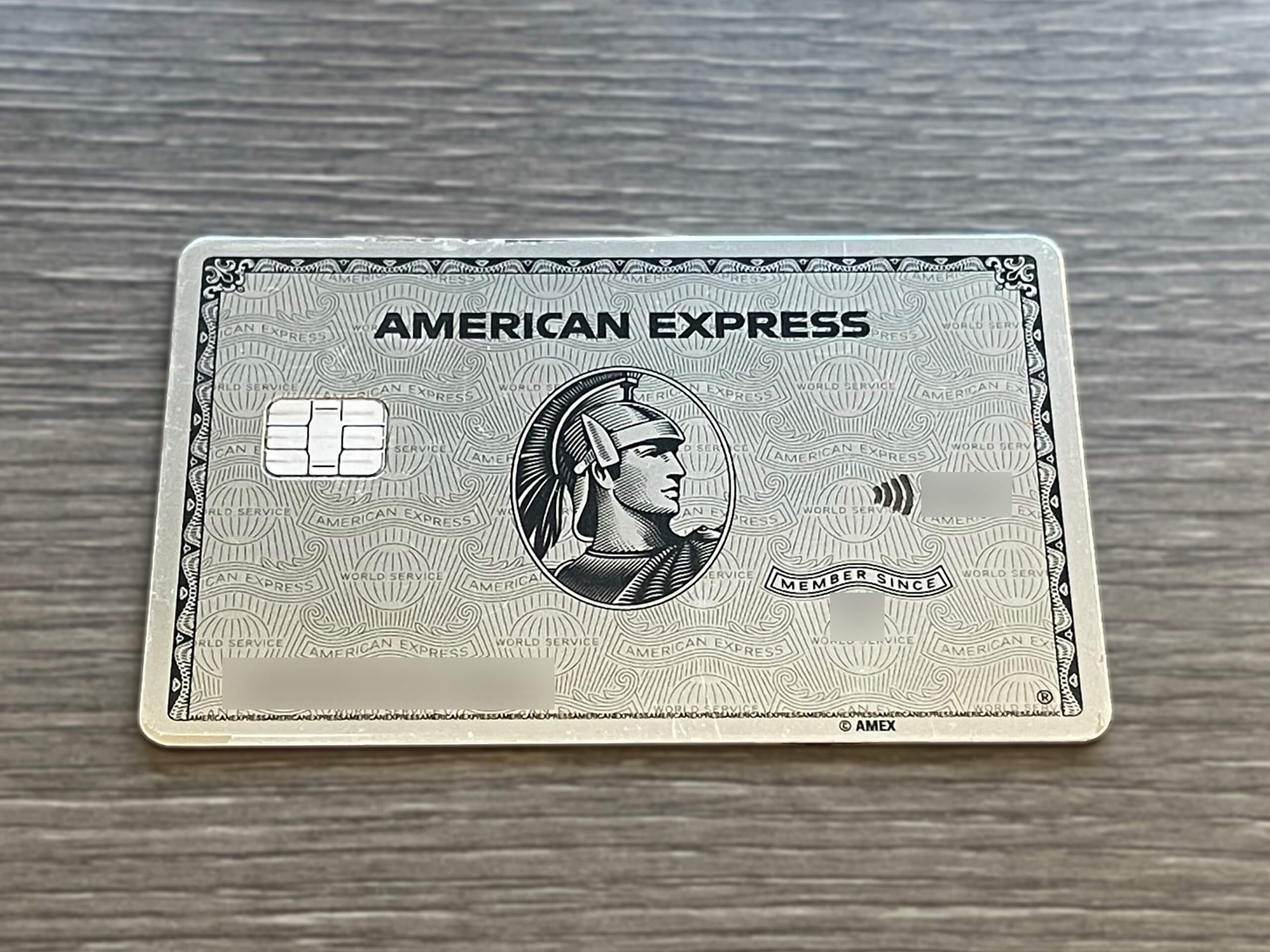
The Amex Platinum's trip cancellation insurance kicks in when you have to cancel a trip that was paid for with the card. That last part is crucial. Only trips booked and paid for with the Amex are insured. If you book the flight with Amex but pay for the hotel with a Visa, only the flight is covered.
What Counts as a Covered Reason
The classic covered reasons: serious illness, accident, death of a family member, pregnancy complications, an unexpected court summons, job loss due to redundancy. The full list is in the insurance terms and largely aligns with what other good trip cancellation policies cover.
What doesn't count as a covered reason: a change of travel plans for personal reasons, a foreign office travel warning (unless it directly affects your safety at the destination), professional circumstances like an urgent project or a new job. A worsening pandemic situation alone is also not enough, unless you're personally ill.
Deductible
The deductible is 20 percent of the claim, with a minimum fixed amount per person. This is a point many overlook. For a trip worth 2,000 euros, you'll pay 400 euros out of pocket in the event of a claim. That's significantly more than many dedicated trip cancellation policies, which often charge only 100 to 150 euros as a deductible, or none at all.
For expensive trips, it can therefore be worthwhile to get an additional trip cancellation policy with a lower or no deductible, despite the Amex coverage.
Covered Persons
The insurance covers the cardholder and co-traveling family members. Partners and children are covered if they're on the same booking. Friends or business associates are not, unless they have their own Amex Platinum.
International Health Insurance
This is the insurance that's worth the most in a real emergency. And here, the Amex Platinum delivers solidly.
Coverage Scope
The international health insurance covers medically necessary treatments abroad: inpatient and outpatient care, surgeries, medications, and medically advisable repatriation. The coverage limit is unlimited, which is the decisive factor for health insurance. A hospital stay in the US can easily run into six figures. You don't want a cap here.
Duration of Coverage
The insurance covers trips of up to 90 days. For regular vacation and business travel, that's more than sufficient. For long-term travelers, digital nomads, or sabbaticals, it's not enough. Anyone spending more than 90 consecutive days abroad needs a separate long-term international health insurance policy.
Repatriation
Repatriation is covered when it's medically advisable. That's an important distinction: medically advisable, not medically necessary. The difference: "medically necessary" would mean you only get flown back if you can't be treated at your travel destination. "Medically advisable" means repatriation is also covered when treatment in Germany would be faster, better, or more comfortable. That's the better version.
What You Need to Know
The insurance applies worldwide, but the trip must originate from Germany. Anyone living abroad and traveling from there is not covered. Dental treatments are also only partially covered, usually limited to emergency pain relief, not comprehensive dental care. And pre-existing conditions are a tricky area. Acute deterioration of an existing condition can be excluded from coverage. The exact terms depend on the individual case and are detailed in the insurance conditions.
Luggage Insurance
The luggage insurance sounds useful, and in theory it is. In practice, I've had mixed experiences.
What's Covered
Loss, damage, or delayed delivery of luggage during travel. There are maximum limits per person and per item. The overall cap is several thousand euros; the per-item limit is several hundred euros.
What Counts as Luggage
Suitcases, travel bags, personal items you carry on the trip. Valuables like jewelry, watches, or electronics are typically covered only up to a specific amount that can be well below their actual value. If you have a watch worth 10,000 euros in your suitcase, you shouldn't rely on the Amex luggage insurance.
The Reality
I had a case where my suitcase was lost on a flight from Frankfurt to Lisbon. Not delayed, but actually gone. The airline offered compensation after weeks that was below the actual value. The Amex luggage insurance partially made up the difference.
The claims process was no pleasure. I had to provide a police report from the destination airport, the damage report from the airline, purchase receipts for the lost items, and a completed claims form. Processing took about six weeks. In the end, part of the loss was reimbursed, but not the full amount because some items exceeded the per-item cap.
My takeaway on luggage insurance: it's a nice safety net, but no substitute for a careful carry-on strategy. Anything truly important or valuable belongs in your carry-on, not in checked luggage.
Rental Car Insurance
This is one of the insurance benefits that has personally saved me the most money.
How It Works
When you pay for a rental car with the Amex Platinum, you automatically have collision damage waiver (CDW) coverage for the vehicle. That means you can decline the expensive add-on insurance at the rental counter and still be fully covered.
The Experience at Sixt
Sixt accepts the Amex rental car insurance without any issues. I've done this dozens of times. You book the car, pay with the Amex, decline the add-on insurance at the counter, and say you're covered through your credit card. The staff at Sixt know the drill and don't make a fuss. The deposit gets blocked on the Amex, and that's it.
More on this in my separate article on rental car insurance through credit cards. For a standard rental car, you easily save 15 to 30 euros per day in insurance costs. Over a week, that's 100 to 200 euros. That alone can justify a significant portion of the Platinum's annual fee.
Where It Gets Complicated
Not every rental company accepts the Amex insurance without discussion. Smaller local operators, especially abroad, sometimes insist that you purchase their own insurance. In Portugal, I once had a situation where a local rental company didn't recognize the Amex coverage as sufficient and insisted on additional insurance. I booked there anyway, but later checked with the concierge whether the Amex insurance would have applied. The answer: yes, but in the event of a claim, I would have had to pay upfront and then file for reimbursement from the insurance.
Limitations
The rental car insurance has limits. It doesn't apply to all vehicle categories. Luxury vehicles, SUVs above a certain class, vans, and motorcycles may be excluded. The exact boundaries are in the insurance terms and vary. The rental duration is also capped, typically at 31 consecutive days. Anyone renting a car for two months is no longer covered through Amex from day 32.
Tires, wheels, underbody, and roof are critical points in many rental car insurance policies. The Amex insurance covers vehicle damage, but there are details worth clarifying in advance. A quick call to the insurance hotline before the trip is recommended.
Purchase Protection
The purchase protection covers items bought with the Amex Platinum for 90 days against damage and theft.
What This Means in Practice
You buy a new iPad with your Amex. Three weeks later, you drop it and the screen cracks. The purchase protection covers the damage. The purchase receipt must be provided, and there's a deductible and caps per claim and per year.
When It's Worthwhile
For larger purchases like electronics, expensive clothing, or household appliances, the purchase protection is an additional safety net. For the first 90 days after purchase, you're covered against mishaps that the manufacturer's warranty doesn't address. A drop, a theft, water damage. It's not life-changing, but reassuring for a 2,000-euro laptop.
What's Not Covered
Vehicles, animals, plants, used goods, and items used commercially are typically excluded. Normal wear and tear is also not a covered event. The insurance only applies to sudden, unforeseen events.
What's NOT Covered: Common Misconceptions
Here are the points where I see the most common misunderstandings.
First: trip interruption is not automatically included in the trip cancellation insurance. There's a separate trip interruption policy with its own conditions. Not every reason that justifies a cancellation before departure also applies to an interruption during the trip.
Second: the insurance doesn't apply to trips or purchases paid for with a different card. That sounds obvious but gets forgotten surprisingly often. If you book the flight with Amex but pay for the hotel with a Visa, the hotel has no Amex insurance coverage.
Third: family members are covered, but only under certain conditions. Children must be minors or living in the same household. Partners must be recognized as life partners. The exact definitions are in the insurance terms.
Fourth: the insurance doesn't replace liability insurance. If you damage hotel furniture on vacation or cause an accident with a rental car that injures third parties, the Amex insurance doesn't cover it. For liability cases, you need private liability insurance.
Fifth: pandemic-related cancellations. If your flight gets cancelled due to a pandemic, that's not a covered cancellation reason, unless you're personally ill. The airline's cancellation is a matter for air passenger rights regulation, not Amex insurance.
My Claim: How the Process Went
I had a claim during a trip to Southeast Asia. An acute illness forced me to cut the trip short and rebook a return flight. The costs: about 1,800 euros for the new flight, plus 600 euros for unused hotel nights.
The process: first, I called the Amex insurance hotline from abroad. The number is on the back of the card and is available 24/7. The representative logged the case and explained which documents I'd need. A medical certificate (which I obtained locally), original receipts for the rebooking costs, the hotel cancellation confirmations, and a completed claims form that was sent to me by email.
I submitted the documents after returning, by email and by mail (yes, paper). After three weeks, I received an acknowledgment of receipt. After another four weeks, a follow-up question about a detail in the medical certificate that needed to be resubmitted. After a total of nine weeks, the reimbursement came: the flight rebooking minus the deductible. The hotel costs were not reimbursed because the hotels offered free cancellation and I hadn't cancelled in time.
What I learned from this: the insurance works, but the process is bureaucratic and slow. Nine weeks is not unusual, but when you've just been ill and fronted the money, it feels long. The communication was professional but not proactive. Without my follow-ups, it probably would have taken even longer.
The full reporting route — deadlines, which insurer is responsible, and the documents needed per claim type — is written up separately in Amex insurance: how to file a claim.
Recommendations
First: read the insurance terms. Not for fun, but because you need to know what's covered and what isn't when a claim arises. The terms are available as a PDF on the Amex website. Read through them once, highlight the key points, save them.
Second: pay for everything travel-related with your Amex. Flight, hotel, rental car, travel activities. Only what's paid for with the card is insured. That sounds simple, but in the rush of booking, you sometimes reach for the wrong card.
Third: keep purchase receipts. The purchase protection and luggage insurance require proof of value in the event of a claim. Digital copies are usually sufficient. I photograph receipts right after purchase with my smartphone.
Fourth: the Amex insurance is a good safety net, but it doesn't replace dedicated travel insurance in all cases. For expensive trips with a high deductible, for long-term travel beyond 90 days, or for special risks, an additional policy can make sense.
Fifth: in the event of a claim, call the hotline immediately. The sooner you report the case, the better. The number is available 24/7, including from abroad. Document everything: photos, receipts, medical certificates, police reports. The more complete your documentation, the faster the process moves.
Overall Assessment
The Amex Platinum's insurance package is solid. It covers the most important travel risks and saves you from separate insurance policies whose individual costs quickly add up to 100 to 200 euros per year. The international health insurance with unlimited coverage and medically advisable repatriation is strong. The rental car insurance saves significant money with regular use. Anyone using the Platinum alongside a good card combination is well covered for travel. The purchase protection is a nice extra.
Weaknesses include the trip cancellation insurance with its high deductible, the luggage insurance with its caps, and the overall claims process, which is bureaucratic and slow.
For me, the insurance package is one of the main reasons to keep the Platinum. Not because it's perfect, but because it offers real value in aggregate. Anyone who travels regularly and consistently uses the card for all travel-related expenses has a solid safety net. Anyone who travels rarely will seldom need the insurance and should value it accordingly.