Credit Card Travel Insurance Comparison 2026
 Christian··5 min read
Credit card insurance is a topic where marketing and reality diverge more than most. Every issuer promotes its "comprehensive insurance package." In practice, there are enormous differences between cards in terms of coverage, deductibles, and conditions.
Over the past few years, I've processed several insurance claims through different cards. In the process, I've learned which cards actually deliver when it matters and which are more of a marketing promise. In this article, I compare the four most relevant cards for the German market: Amex Platinum, Amex Gold, Barclays Visa, and DKB Visa.
The Cards at a Glance
Before we get into the individual insurance types, here's a quick look at the key facts.
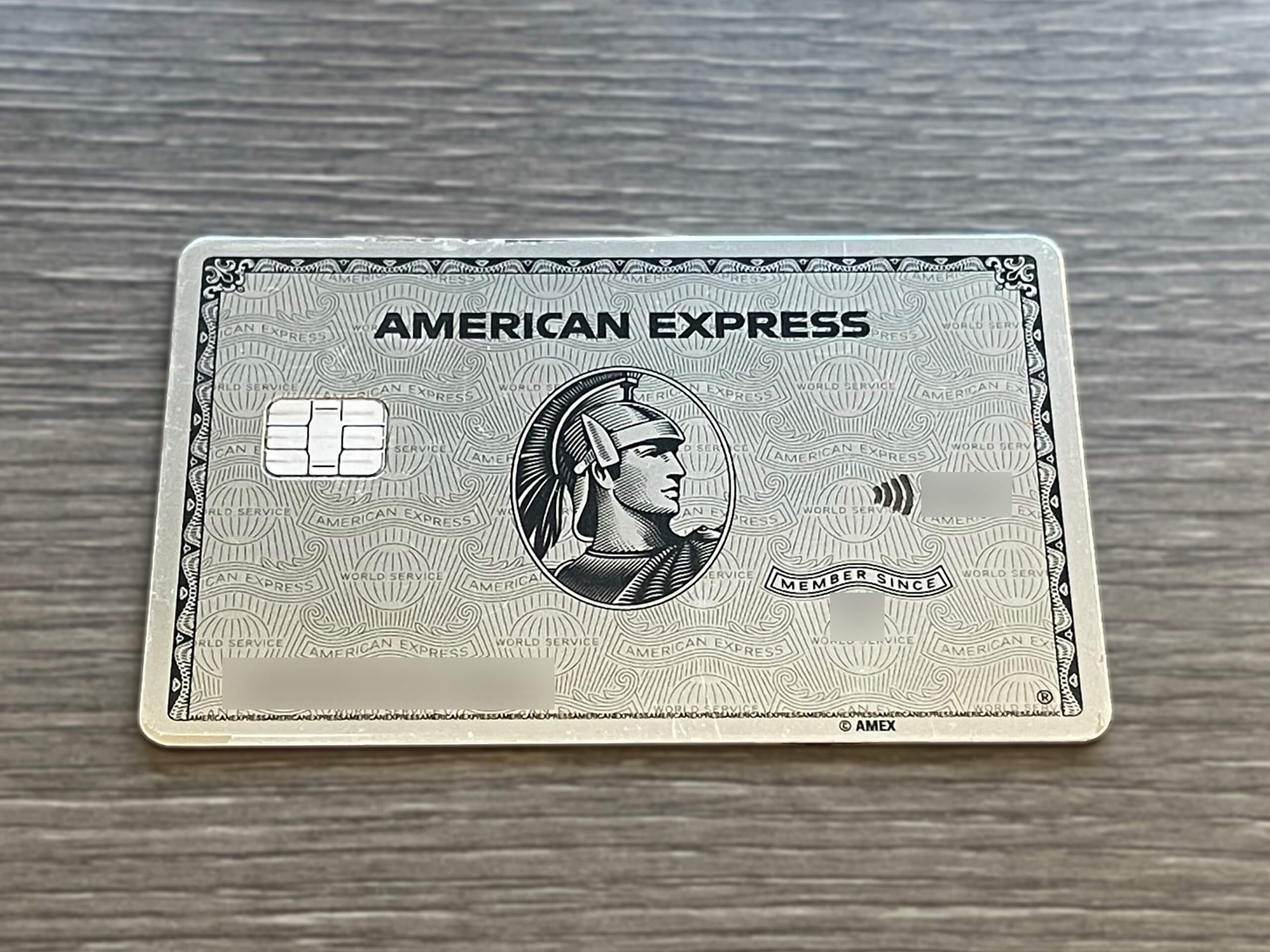
Amex Platinum. 720 euros annual fee. The most comprehensive insurance package in this comparison. Condition: the trip must have been paid for with the card.
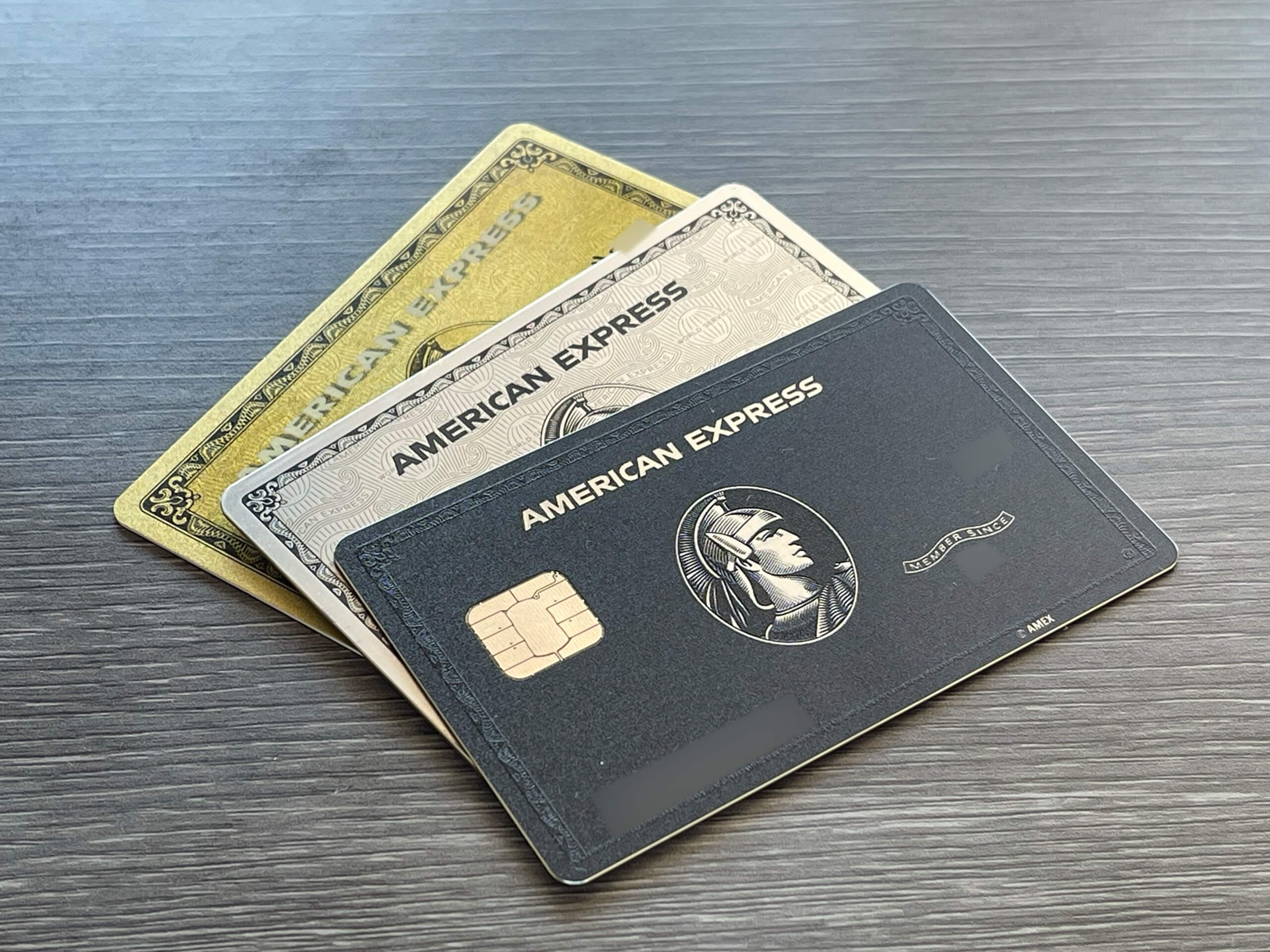
Amex Gold. 240 euros annual fee. Solid basic insurance, but significantly stripped down compared to the Platinum.
Barclays Visa. Low annual fee. Surprisingly good insurance coverage for the price. Visa acceptance is a plus.
DKB Visa. Free as a debit card in the DKB package. Basic insurance coverage that may be enough for occasional travelers.
Trip Cancellation Insurance
The insurance that kicks in before you even board the plane. You have to cancel the trip, and the question is: who pays the cancellation fees?
Amex Platinum
The Platinum offers a full trip cancellation policy. The cardholder and co-traveling family members are covered. The coverage limit is high enough for the vast majority of trips.
The key weakness: the deductible is 20 percent of the claim. For a trip worth 3,000 euros, you'll pay 600 euros out of pocket in the event of a claim. That's significantly more than many dedicated trip cancellation policies, which often charge only 100 to 150 euros as a deductible.
Covered cancellation reasons match the industry standard: serious illness, accident, death of a family member, pregnancy complications, an unexpected court summons. Personal plan changes or travel warnings alone are not covered reasons.
Amex Gold
The Gold also offers trip cancellation insurance, but with lower coverage limits and generally the same deductible rules. For trips in the mid-price range, up to about 2,000 euros per person, the coverage is adequate. For more expensive trips, the limits start to show.
Barclays Visa
The Barclays is a positive surprise here. It offers trip cancellation insurance with a comparatively moderate deductible. The coverage limits are solid, and the covered reasons match the standard. For the price of the card, that's a strong offering.
DKB Visa
The DKB doesn't offer a full trip cancellation policy in its base package. Anyone who needs this coverage has to purchase it separately or consider upgrading to a paid DKB account tier.
My Take on Trip Cancellation Insurance
The Amex Platinum has the most comprehensive coverage, but the high deductible is a real drawback. For expensive trips (starting at 3,000 euros), a separate trip cancellation policy with a lower or no deductible is worthwhile even with the Platinum. The Barclays offers surprisingly good coverage for its price. The DKB falls short here.
International Health Insurance
This is the insurance that matters most in a real emergency. A hospital stay in the US can run into six figures. Without international health insurance, that can be financially devastating.
Amex Platinum
Here the Platinum delivers strongly. The international health insurance applies worldwide, has an unlimited coverage limit, and includes outpatient and inpatient care, surgeries, medications, and medically advisable repatriation.
"Medically advisable" is the better wording compared to "medically necessary." The difference: "necessary" means you only get repatriated if the destination country can't treat you. "Advisable" means repatriation is also covered when treatment in Germany would be faster or better. An important detail.
The coverage period is 90 days per trip. Absolutely sufficient for vacations and business trips. Not for long-term stays.
Amex Gold
The Gold also offers international health insurance, but with a shorter coverage period and potentially lower coverage limits. For a two-week beach vacation, that's fine. For a three-month business trip, it's not. Anyone who regularly takes longer trips needs either the Platinum coverage or a separate policy.
Barclays Visa
The Barclays offers international health insurance that's remarkable for the card's price. The coverage limits are solid, and repatriation is included. The coverage period varies by card model but typically falls between 45 and 90 days. That's enough for most vacations.
One point that sets the Barclays apart from Amex: the insurance coverage may apply even if the trip wasn't paid for with the card, simply by virtue of holding the card. The exact conditions are in the insurance documents and vary by card model. That's an advantage because you don't have to think about which card you used to book the flight.
DKB Visa
The DKB offers international health insurance under its active customer status. The coverage limits are acceptable for the price (free). Repatriation is included, but the coverage period is shorter than with the premium cards. For occasional travelers who fly once or twice a year, it can be enough. For frequent travelers, it's too thin.
My Take on International Health Insurance
The Amex Platinum is the clear winner here. Unlimited coverage, 90-day duration, medically advisable repatriation. For frequent travelers, this alone is a strong argument for the card. The Barclays offers remarkably good coverage for its price. The DKB is a workable minimum for infrequent travelers.
Luggage Insurance
Suitcase lost, damaged, or delayed. How well do the cards help?
Amex Platinum
The Platinum covers loss, damage, and delayed delivery of luggage. There are caps per person and per individual item. For a normal suitcase with clothing and everyday items, the coverage is adequate. For valuables like expensive watches, cameras, or jewelry, the per-item cap is often not enough.
I had a claim for lost luggage where the Amex insurance partially made up the difference from the airline's compensation. The process was bureaucratic and it worked, but it required patience and complete documentation.
Amex Gold
The Gold offers more limited luggage insurance with lower caps. For a standard suitcase, it usually suffices. Anyone with a lot of valuables in their luggage shouldn't rely on it.
Barclays Visa
The Barclays offers luggage protection that's solid in comparison, depending on the card model. The caps are similar to the Amex Gold. Not luxurious, but usable.
DKB Visa
The DKB doesn't offer meaningful luggage coverage in its base package. Anyone who wants protection here needs a separate policy.
My Take on Luggage Insurance
Honestly, the luggage insurance isn't a standout with any of the cards. The per-item caps are relatively low across the board. My general advice remains: everything valuable belongs in your carry-on. Luggage insurance is a safety net for worst-case scenarios, but not a reason to put valuable belongings in checked luggage.

Rental Car Insurance
This is where things get interesting because the differences between cards are especially large.
Amex Platinum
The Platinum offers a rental car collision damage waiver (CDW) when the rental is paid for with the card. That means you can decline the expensive add-on insurance at the counter and still be covered. At Sixt, this works seamlessly; I've done it dozens of times.
The savings are substantial: 15 to 30 euros per day in insurance costs. Over a one-week rental, that's 100 to 200 euros. Over a year with multiple car rentals, the rental car insurance alone can justify a significant portion of the annual fee.
Restrictions apply to luxury vehicles, certain SUVs, and rental durations over 31 days. Local rental companies abroad also don't always accept the Amex coverage without discussion.
Amex Gold
The Gold also offers rental car insurance, but with less comprehensive coverage than the Platinum. The basic protection is there, but the details make the difference. Anyone who regularly rents cars should compare the terms carefully.
Barclays Visa
The Barclays offers rental car insurance with some card models. The coverage is typically more limited than the Amex Platinum's. For occasional vacation rentals, it can be enough. For regular business travel with rental cars, the Platinum is the safer choice.
DKB Visa
The DKB doesn't offer rental car insurance in its standard package. Anyone who frequently rents cars needs to buy insurance directly from the rental company or carry a separate policy.
My Take on Rental Car Insurance
For anyone who rents cars regularly, the Amex Platinum is the best choice. The CDW coverage saves real money with every booking, and the savings add up fast. The Amex Gold offers basic protection sufficient for occasional renters. With Barclays and DKB, rental car insurance is not a selling point.
The Overall Assessment: Strengths and Weaknesses of Each Card
Amex Platinum: Strengths
The Platinum has by far the most comprehensive insurance package. International health insurance with unlimited coverage, full rental car insurance, solid luggage protection, trip cancellation coverage. Anyone who travels frequently and wants to use one card as their central insurance solution can hardly get around the Platinum.
Amex Platinum: Weaknesses
The high deductible on trip cancellation insurance (20 percent) is a real disadvantage. For expensive trips, you still pay a significant amount out of pocket despite having insurance. The claims process is bureaucratic and can take several weeks. And the obvious point: a 720-euro annual fee, only part of which covers insurance.
Amex Gold: Strengths
Solid basic insurance for 240 euros. The value-for-money ratio on insurance is good. For occasional travelers taking two to three trips per year, the coverage is adequate in most situations.
Amex Gold: Weaknesses
Coverage limits and benefit details fall below the Platinum level. For longer trips or in high-cost regions (especially US healthcare costs), coverage can be too thin. No rental car insurance at Platinum level.
Barclays Visa: Strengths
Surprisingly good insurance coverage for the price. The international health insurance is solid, the trip cancellation coverage is usable. Add to that Visa acceptance, which is significantly better than Amex both in Germany and worldwide. The Barclays handles everything Amex can't.
Barclays Visa: Weaknesses
The insurance benefits can't match the Amex Platinum. No rental car insurance at the same level, lower caps on luggage insurance. No rewards program that can compete with Membership Rewards.
DKB Visa: Strengths
Free. For people who want a credit card with basic protection without paying an annual fee, the DKB is a viable option. The international health insurance under active customer status is a nice extra that many free cards don't offer.
DKB Visa: Weaknesses
The thinnest package in the comparison when it comes to insurance. No luggage insurance, no rental car insurance, limited trip cancellation coverage. Anyone who wants serious coverage needs additional policies.
Do You Still Need a Separate Travel Insurance Policy?
The question that comes at the end. My answer: it depends.
If You Have the Amex Platinum
For most trips, you're well covered by the Platinum. The international health insurance and rental car insurance are comprehensive. The luggage insurance is a usable safety net. The only area where I recommend additional insurance is trip cancellation for expensive trips. If you book a cruise for 5,000 euros, you don't want to carry a 1,000-euro deductible.
Also: if your trips last longer than 90 days, you need a separate international health insurance policy. The Platinum only covers 90 days per trip.
If You Have the Amex Gold or Barclays
Here, a separate international health insurance policy becomes more worthwhile. The coverage limits are lower, the duration shorter. A good annual travel insurance policy costs between 20 and 50 euros and closes the gaps that the card insurance leaves. That's a sensible investment.
If You Have the DKB
Yes, you probably need a separate travel insurance policy. The DKB provides basic coverage that's better than nothing in an emergency. But for serious protection, especially on long-distance trips, a dedicated policy is the better choice.
My Personal Recommendation
I use the Amex Platinum as my primary travel insurance. I consistently book flights, hotels, and rental cars through the Amex so the insurance coverage applies. For particularly expensive trips, I take out an additional trip cancellation policy to avoid the 20-percent deductible.
As a backup, I have a Visa card that I use for payments where Amex isn't accepted. The Visa's insurance coverage is a nice extra but not the reason I have it.
The combination I recommend for most travelers: an Amex card (Gold or Platinum, depending on travel frequency) as primary insurance, plus a separate annual trip cancellation policy with no deductible (cost: about 30 to 80 euros per year). That covers 95 percent of all realistic scenarios.
What I don't recommend: blindly relying on card insurance without reading the terms. In a claim, what matters isn't what's on the marketing page but what's in the insurance conditions. Read through them once, note the key points, and you'll know where you stand.