Earning Miles in Daily Life 2026: What's Actually Possible
 Christian··5 min read
In the world of credit card enthusiasts, stories circulate about people who regularly fly first class through clever mile collecting without paying for it. Almost all of these stories come from the US, where the system works very differently than in Germany. Higher earning rates, more credit card bonuses, more opportunities.
In Germany, the reality is more sobering. Earning miles works, but expectations need to be calibrated. I've been collecting Membership Rewards points through my Amex cards for years and have a realistic picture of what's possible and what isn't.

The basics
In Germany, there are three relevant systems for earning miles through credit cards.
Membership Rewards (Amex)
The points program from American Express. You earn points with every purchase on your Amex card and can transfer those points to various airline partners: British Airways Avios, Singapore Airlines KrisFlyer, Cathay Pacific Asia Miles, Emirates Skywards, ANA Mileage Club, and others. The transfer typically happens at a 1:1 ratio (for European partners) or with a slight reduction.
Miles & More (Lufthansa)
The largest frequent flyer program in Europe, operated directly by the Lufthansa Group. You earn miles through flights with Lufthansa, Swiss, Austrian, and partner airlines, through the Miles & More credit card, and through various partner promotions. The connection to Amex Membership Rewards exists through a workaround: Payback points can be converted into Miles & More miles.
Payback
Payback isn't a classic mileage program, but it's a relevant building block. The Payback American Express card earns Payback points that can be converted into Miles & More miles (1,000 Payback points = 500 Miles & More miles). That sounds like a poor rate, but for certain everyday expenses it can make sense.
Earning rates in Germany
Here's where it gets concrete. How many points do you earn per euro spent?
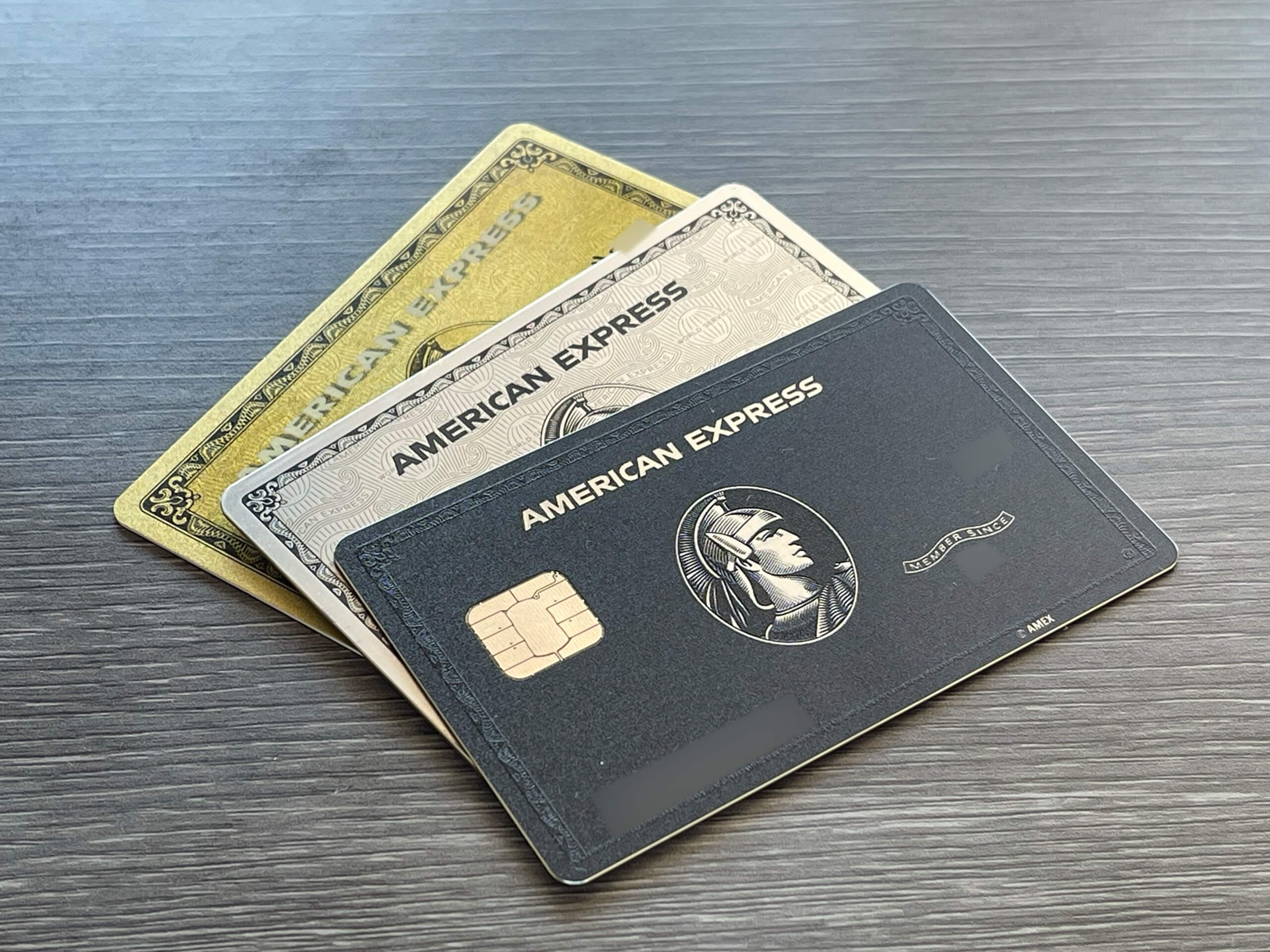
Amex Platinum
1 Membership Rewards point per 1 euro spent. More with certain partners and promotions, but the base rate is 1:1. There are no bonus categories in the classic sense like you see on US cards (3x on dining, 5x on travel). The rate is flat.
Amex Gold
1 Membership Rewards point per 1 euro on regular spending. In selected categories, like supermarkets and restaurants, you get 1.5 points per euro. That makes the Gold more attractive than the Platinum for everyday spending in certain areas.
Payback Amex
1 Payback point per 2 euros spent as the base rate. At Payback partners (dm, Aral, Rewe, and others), significantly more, sometimes 5 to 10 points per euro. The effective earning rate varies widely depending on where you shop.
The realistic calculation
Let's take a cardholder with normal spending behavior. Not a business owner running five-figure amounts through the card each month, but someone using the Amex Platinum as their primary card in everyday life.
Assumptions
Monthly card spending through Amex: 3,000 euros. That assumes you put everything you can through Amex: supermarket (where accepted), restaurants, gas stations, online shopping, insurance, subscriptions. After subtracting purchases where Amex isn't accepted (in Germany roughly 30 to 40 percent), that corresponds to a total spending level of about 4,500 to 5,000 euros per month.
Annual calculation
3,000 euros per month x 12 months = 36,000 euros annual spend through Amex.
At 1 MR point per euro = 36,000 Membership Rewards points per year.
What can you do with that? It depends on the transfer partner and the type of redemption.
Value of the points
With a transfer to British Airways Avios and redemption for an intra-European business class flight, you typically need 25,000 to 40,000 Avios plus taxes and fees (which with British Airways can be substantial, 200 to 400 euros for a round trip within Europe).
36,000 MR points transferred to British Airways yield 36,000 Avios. That's enough for a round-trip business class flight within Europe. Such a flight, booked at the regular price, costs 500 to 1,500 euros depending on the route and timing. After subtracting the 200 to 400 euros in taxes and fees, you're effectively saving 300 to 1,100 euros.
That's a realistic return for one year of mile collecting with 3,000 euros in monthly card spending. Not a first class flight to Tokyo, but a solid business class flight within Europe.
How to earn more
There are ways to boost your earning rate without fundamentally changing your spending behavior.
Amex Offers
The Amex app regularly features Amex Offers that give you double or triple points for purchases at certain merchants. Sometimes cashback Offers that directly reduce the cost. I activate all relevant Offers and check before larger purchases whether there's a matching deal.
In a typical month, I actively use two to three Offers. The extra gain isn't huge, but over a year it adds up to 2,000 to 5,000 additional points. That sounds small, but it's the difference between "barely enough for the flight" and "comfortably enough."
Run recurring bills through Amex
Insurance, streaming subscriptions (Netflix, Spotify, Disney+), mobile phone contract, internet, magazine subscriptions. Everything that gets charged regularly and can be paid by credit card should run through Amex. That's often 200 to 400 euros per month that you're spending anyway and that earn you zero points when paid by direct debit or bank transfer.
The Payback Amex as a supplement
For purchases where the Platinum isn't accepted (or where Payback partners offer higher point rates), I use the Payback American Express. The card has no annual fee and earns Payback points, which I convert to Miles & More miles.
The math: at Rewe, dm, Aral, and other Payback partners, you earn 5 to 10 Payback points per euro with the Payback Amex, on top of the regular Payback card points. Converted to Miles & More, that works out to 2.5 to 5 miles per euro. That's a significantly better rate than the 1 MR per euro on the Platinum.
The downside: the Payback points end up in a separate system. You have to actively convert them, and the conversion rate (2:1) isn't ideal. But for everyday purchases you're making anyway, it's a solid additional channel.
The trick with business expenses
This is where things really change. If you're self-employed or a business owner and run business expenses through Amex, you're earning in a completely different league.
Advertising spend (Google Ads, Facebook Ads, LinkedIn Ads) can often be paid with Amex. Software subscriptions (Adobe, Microsoft 365, Salesforce), cloud services (AWS, Google Cloud), business travel, office supplies, it all adds up.
A self-employed person with 5,000 euros in monthly business expenses through Amex earns 60,000 extra MR points per year. Combined with the personal 36,000 points, that's 96,000 points. That's enough for a business class long-haul flight to Asia or North America (typically 50,000 to 80,000 points one-way, depending on the partner and availability).
Important: the points belong to the cardholder, not the business. This is a tax topic you should clarify with your tax advisor. The common view is that points from business expenses can be considered a benefit in kind, but the practice here isn't uniform.
What's realistic and what's not
Now the honest assessment.
Realistic
One to two business class flights within Europe per year with average private spending behavior (3,000 euros monthly through Amex).
One business class long-haul flight per year if you also run business expenses through Amex.
Occasional upgrades or short domestic flights as a "bonus" in between.
Not realistic
Regularly flying first class to Tokyo or Sydney. A first class round trip to Japan typically costs 100,000 to 140,000 points. To earn that every year, you'd need 8,000 to 12,000 euros in monthly Amex spend from points earning alone.
Multiple long-haul flights in premium classes per year. That only works with very high card spending or by deliberately exploiting bonus promotions, which are rarer and less lucrative in Germany than in the US.
The fantasy that mile collecting with a credit card produces "free" flights without any effort. It's a system that requires attention, planning, and a certain level of card spending. If you're not willing to invest that, a simple 1% cashback Visa is the better choice.
Availability: the underestimated problem
One aspect that gets too little attention in many miles guides: you can have as many points as you want. If there are no award seats available on the route you want, they're useless.
The availability of business and first class award flights on popular routes is severely limited. Booking Frankfurt to New York in Lufthansa business class with miles isn't impossible, but it requires flexibility on dates and booking several months in advance. During peak season (summer, Christmas), availability is often zero.
What helps: being flexible on dates and routes. Instead of Frankfurt to New York direct, a routing via London with British Airways or via Doha with Qatar Airways might offer better availability. Flying on a weekday instead of Saturday. October instead of August. The more flexible you are, the more value you get from your points.
My personal earning behavior over one year
Here are my specific numbers from the past year, anonymized but realistic.
Total Amex spend (Platinum and Centurion combined): about 85,000 euros. Of that, roughly 55,000 euros business, 30,000 euros personal.
MR points earned: about 87,000 (including bonus Offers and promotions).
Transfers: 50,000 points to British Airways (for two business class flights within Europe), 30,000 points to Singapore Airlines KrisFlyer (for a one-way business class flight Singapore to Tokyo).
Remaining balance: 7,000 points in my MR account, building up over the coming months.
What I got for it: the BA flights would have cost about 2,400 euros combined at regular prices. The SQ business class from Singapore to Tokyo would have cost about 1,800 euros at regular prices. After subtracting the taxes and fees I still had to pay (about 600 euros total), my effective value was around 3,600 euros.
Those are good results. But they're based on high card spending, most of which is business-related. With purely personal spending, I would have achieved maybe a third of that.
What makes sense for the average user
If you spend 2,000 to 3,000 euros per month through Amex and you're willing to engage with the system, Membership Rewards points are a worthwhile added benefit. You won't work miracles with them, but one to two business class flights within Europe per year are realistic.
The key: earn consistently, redeem smartly, stay flexible on dates.
Earning consistently means: everything that can go through Amex, does. Recurring bills, daily life, online shopping. The Payback Amex for the gaps. Activate Amex Offers. And choose the right card combination.
Redeeming smartly means: don't burn points in the Amex travel portal (where they're typically worth only 0.5 to 0.8 cents per point), but instead transfer to an airline partner and use them for business or first class award flights (where the value can be 1.5 to 3.0 cents per point).
Being flexible means: don't insist on the one perfect flight on your preferred date, but stay open to alternative routes, dates, and airlines. The best deals go to those willing to take a detour or depart a day earlier or later.
If you don't want that, if you just need a credit card for paying and don't want to deal with points programs, then Membership Rewards aren't a compelling argument for the Amex Platinum. In that case, a simple cashback card is the more honest choice.
Earning miles in Germany isn't a game that plays itself. It takes attention and a minimum of strategy. Bring both, and you get real value. Don't, and you're paying the annual fee for a points display in an app that never gets redeemed.