Best Credit Cards for Entrepreneurs 2026
 Christian··5 min read
The market for business credit cards in Germany is a fraction of what exists in the US. While American entrepreneurs can choose from dozens of cards with sign-up bonuses, category bonuses, and flexible points programs, the selection here is manageable. But manageable doesn't mean bad. There are some cards that deliver genuine value for German entrepreneurs. You just need to know which ones.
I'm an entrepreneur myself and have been using various business cards in parallel for years. I'm writing this article from the perspective of someone who runs five-figure amounts through credit cards monthly and actively uses the points system. Someone putting 500 EUR per month on their business card will have different priorities than I do. Still, I'll try to give the right recommendations for different spending profiles.
The Landscape in Germany
In Germany, there are essentially four categories of business credit cards:
- American Express business cards with Membership Rewards
- Traditional bank cards (Commerzbank, Deutsche Bank, Sparkassen)
- Fintech cards (Pliant, Moss, Qonto)
- Corporate cards for larger companies
Each category has its strength, and the right choice depends on what you prioritize: points and travel benefits, acceptance, digital integration, or high limits.
Amex Business Platinum
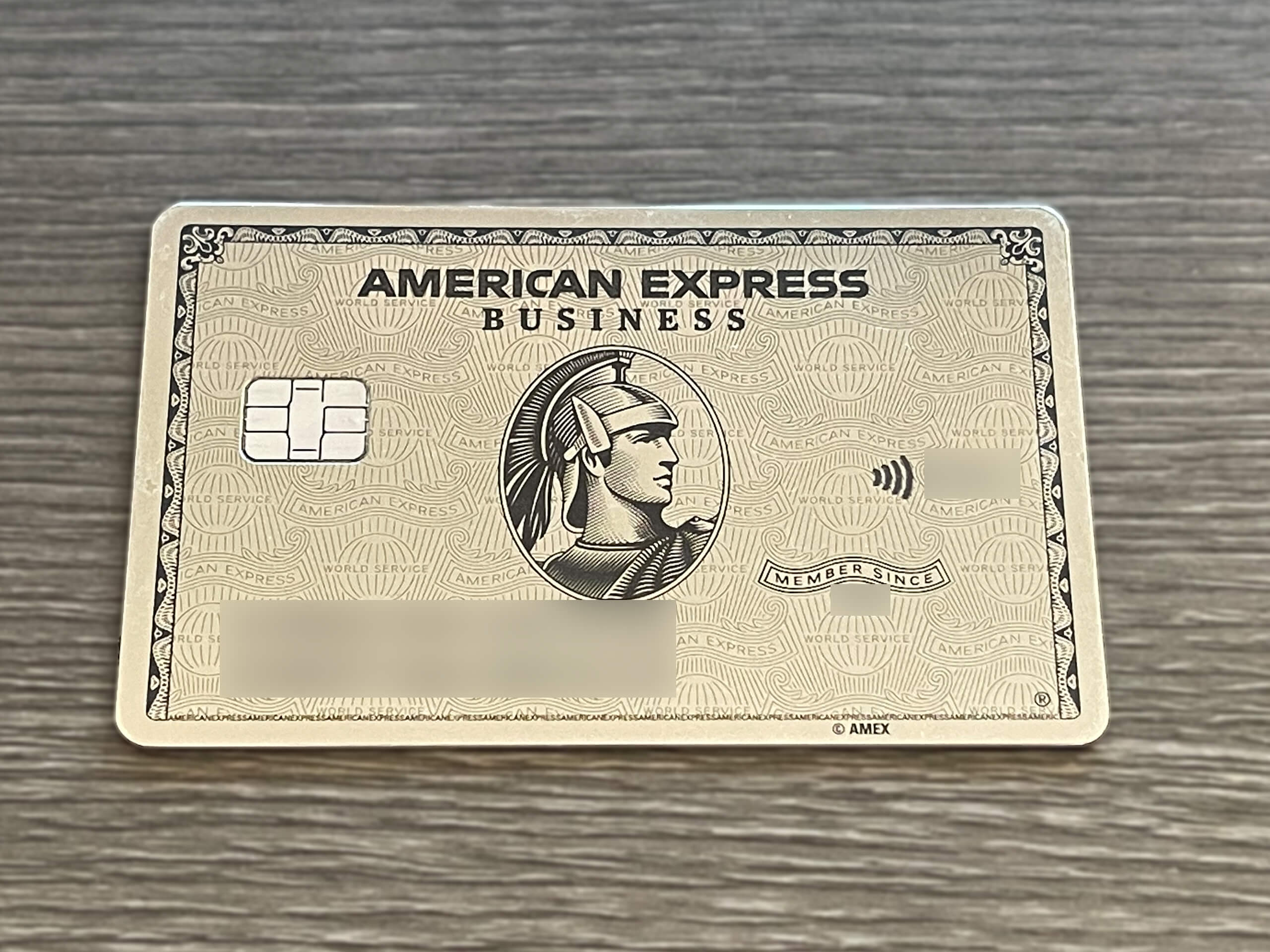
The Amex Business Platinum is the strongest card for entrepreneurs who travel regularly and are willing to pay an annual fee of 850 EUR. It's essentially a Platinum Card with business features, and that's no small thing.
What it offers:
Membership Rewards points: 1 point per EUR spent, 1.5 points per EUR on direct bookings with airlines and Amex Travel. That sounds modest, but with high monthly spending it adds up fast. At 30,000 EUR monthly spend, you collect 360,000 MR points per year. Transferred to Miles & More, Singapore Airlines KrisFlyer, or ANA Mileage Club, that's worth several thousand euros.
Lounge access: Priority Pass (unlimited, including one guest), Centurion Lounges (where available), Lufthansa Lounges upon presenting a same-day boarding pass. For frequent travelers, this alone is worth the annual fee.
Insurance: Trip cancellation, international health insurance, rental car insurance. Business-relevant and not to be underestimated because it saves you separate policies.
Sixt Platinum status: Automatically included, with preferential upgrades at Sixt.
Hilton Gold and Marriott Gold: Automatic hotel status that brings breakfast and upgrades at two of the largest hotel chains.
Dell credit: 400 EUR annually at Dell Technologies. For entrepreneurs who buy hardware anyway, it's a direct discount.
200 EUR Amex Travel credit: Redeemable annually on travel bookings through Amex Travel.
The card has no spending limits in the traditional sense (charge card), which is important for entrepreneurs with fluctuating expenses. You must pay the full balance monthly but can request installment payments in individual cases.
Who I recommend this card to: entrepreneurs with at least 3,000 to 5,000 EUR in monthly card spending who travel regularly (business or personal) and want to actively use the points system. Below that spending level, justifying the 700 EUR annual fee becomes difficult.
Amex Business Gold
The Amex Business Gold costs 175 EUR per year and is the more pragmatic choice for entrepreneurs who want to collect points but don't need the high annual fee or the travel perks of the Platinum.
What it offers:
Membership Rewards points: 1 point per EUR spent. Same transfer rate as the Business Platinum to the same airline partners.
Insurance: Basic travel and purchase insurance, less comprehensive than the Platinum.
Supplementary cards: Up to 99 supplementary cards for employees, billed to the main account. Practical for small teams.
No preset spending limit: Like all Amex charge cards, there's no fixed limit, just a flexible boundary based on usage patterns.
The Business Gold is a good starter card for entrepreneurs who want to enter the Membership Rewards system without paying 700 EUR per year. If you don't travel frequently but still want to benefit from MR points (for example, for occasional award flights), this is the right card.
However, it lacks status benefits (no hotel status, no Sixt status, no lounge access), and the insurance is less comprehensive. Anyone who needs these features can't avoid the Business Platinum.
Pliant
Pliant is the most interesting newcomer in the German business card market. The Berlin-based fintech targets startups and SMEs and has built an impressive combination of high limits, digital integration, and cashback over the past years.
What Pliant does differently:
High limits: Pliant offers credit lines that are unusually high for a fintech. Startups with solid funding can easily get six- to seven-figure monthly limits. That's relevant for companies with high advertising spend (Google Ads, Meta Ads) or SaaS subscriptions, because these expenses often run through credit cards.
Virtual cards: Unlimited virtual cards can be created, each with its own limit and assignment to cost centers or projects. For teams that purchase decentrally, this is a massive advantage over traditional bank cards.
Accounting integration: Direct connection to DATEV, Lexoffice, sevDesk, and other German accounting software. Receipts are uploaded in the app, automatically assigned, and forwarded to accounting. This genuinely saves hours per month.
Cashback: Up to 1% cashback on all spending, depending on the plan and spending volume. Sounds small, but at 100,000 EUR monthly spend, that's 1,000 EUR in cashback. Per month. That's real.
Visa network: Pliant cards run on Visa, which means near-universal acceptance in Germany.
Pliant's weakness: no points program with transfer partners, no travel benefits, no status. Pliant is a purely functional business card. Anyone who wants to collect points for flights needs to look elsewhere.
Who I recommend Pliant to: startups and SMEs with high monthly card spending (especially digital advertising), who need modern accounting integration and prefer cashback over points collecting.
Commerzbank Business Premium Credit Card
Commerzbank offers a classic banking solution with its Business Premium credit card that is unbeatable in one respect: acceptance.
The card runs on Visa and is therefore accepted at virtually every acceptance point in Germany and worldwide. That sounds trivial, but for anyone who has been turned away with their Amex at a German gas station, supermarket, or tradesperson, universal acceptance is a real feature.
What the Commerzbank Business Premium offers:
Visa acceptance: Worldwide, near-universal. Installment payments: Available, with variable interest rates. Insurance package: Trip cancellation, international health insurance, rental car insurance. Contactless payment and Apple Pay.
What it doesn't offer: a relevant points program, airline or hotel status, significant additional benefits beyond the core function of a credit card.
The Commerzbank card isn't a product that generates excitement. But it fulfills an important function: it works everywhere. And that's exactly what every German entrepreneur needs as a backup.
The Acceptance Problem of American Express
There's no getting around it: Amex still isn't accepted everywhere in Germany. The situation has improved in recent years, especially with larger retailers and restaurant chains, but in everyday life you regularly hit limits.
Where Amex typically works in Germany: hotels, airlines, large online shops, gas station chains (Aral, Shell), restaurant chains, supermarkets like Aldi (for several years now).
Where Amex regularly doesn't work: small restaurants, tradespeople, local shops, many medical practices, some government offices, certain online shops.
The consequence for entrepreneurs: you absolutely need a Visa or Mastercard as a second card. Amex can be the primary card where you earn points and benefit from the perks. But for the 20 to 30 percent of transactions where Amex doesn't work, you need an alternative.
Tax Considerations
A point that's often overlooked: the annual fee of a business credit card is a deductible business expense. The 850 EUR for the Amex Business Platinum is deductible, as are the 175 EUR for the Business Gold.
That means: the effective cost of the annual fee drops by your personal tax rate. At a marginal tax rate of 42 percent plus solidarity surcharge, the Amex Business Platinum effectively costs around 493 EUR net. That significantly changes the cost-benefit calculation.
The points you earn through business spending and use for personal travel are also tax-unproblematic, as long as the card is maintained as a business card and the expenses are business-related. The points are considered a rebate, not a taxable benefit. (I still recommend individual tax advice.)
Earning Points on Business Spending
This is where it gets really interesting for entrepreneurs with high monthly spending.
A concrete example: an entrepreneur with 50,000 EUR monthly card spending on the Amex Business Platinum earns 600,000 MR points per year (50,000 x 12 = 600,000 base points, without bonus categories).
600,000 MR points, transferred to British Airways Avios or Singapore Airlines KrisFlyer, have a rough value of 9,000 to 12,000 EUR when redeemed for Business or First Class flights.
This isn't theoretical value. With MR points from business spending, I've booked flights including: Frankfurt to Singapore in Singapore Airlines Business Class (62,000 KrisFlyer miles), Munich to New York in Lufthansa Business Class (55,000 Miles & More miles), and various short-haul flights within Europe via British Airways Avios.
The math is simple: the higher the monthly spend on the Amex, the more points, the more award flights. Anyone running five figures per month through the card is essentially funding their business travel on the side.
My Personal Setup
I use three cards in parallel for daily operations:
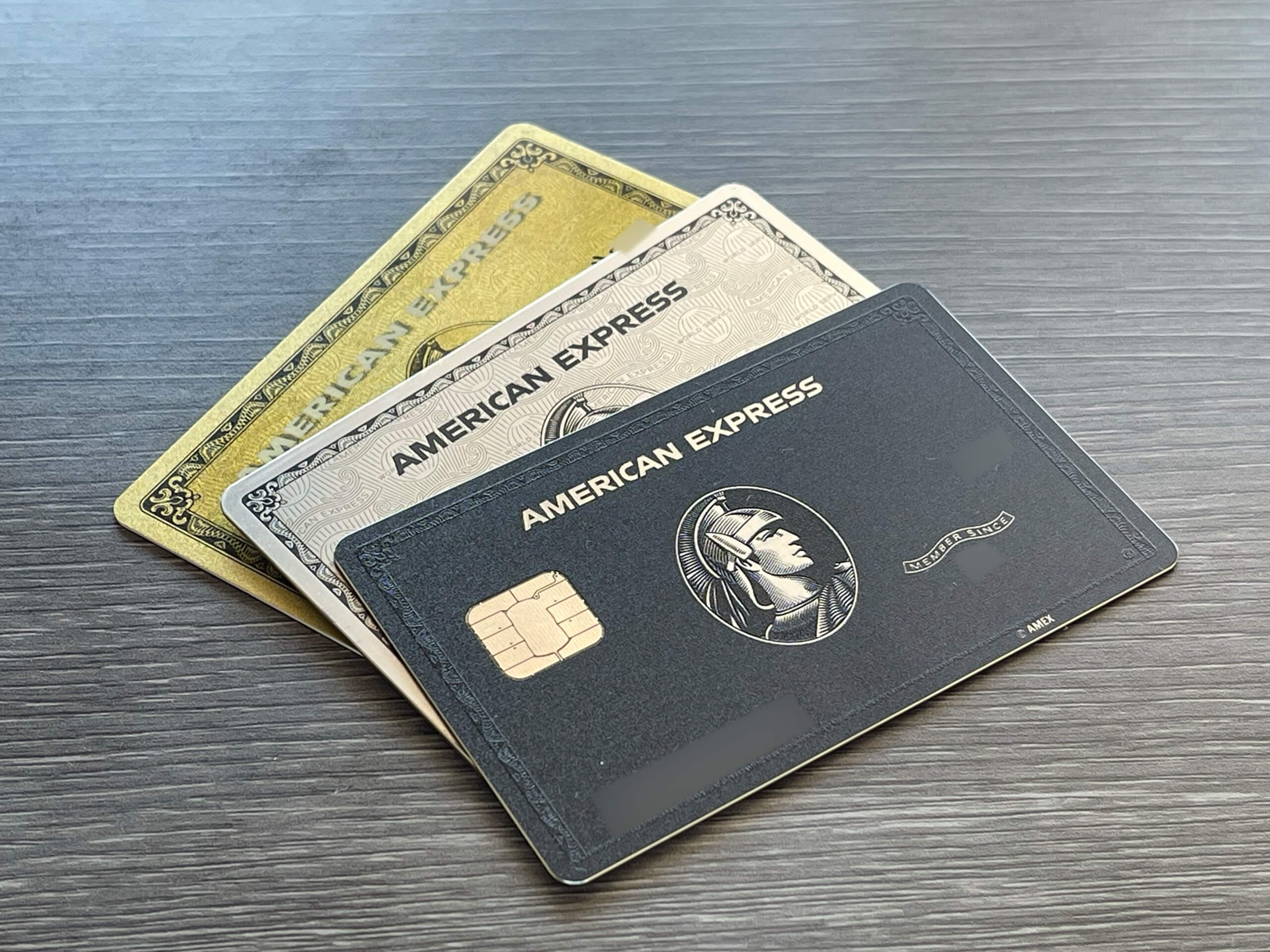
Amex Centurion (personal and business): My primary card for everything that can be processed through Amex. Hotels, flights, larger purchases, online orders. This is where I earn the most points.
Visa (Commerzbank): My backup for all situations where Amex isn't accepted. Small restaurants, tradespeople, local shops. I use it reluctantly because it earns no points that benefit me, but it's indispensable.
Pliant (business): For team expenses and digital advertising costs. The virtual cards for individual employees and projects are practical, and the cashback adds up with high advertising spend.
This three-card setup covers all scenarios. Amex for points and perks, Visa for acceptance, Pliant for team management and cashback on ad spend.
Which Card for Which Entrepreneur Type
The frequent traveler (10+ business trips per year): Amex Business Platinum, without question. The lounge access, hotel status, and insurance justify the 850 EUR. Plus a Visa as backup.
The online entrepreneur (high digital advertising spend): Pliant as the primary card for ad spending (cashback), Amex Business Gold for everything else (earning points). Visa as backup.
The freelancer (under 3,000 EUR monthly spend): Amex Business Gold as a points earner, Visa as the everyday card. The Business Platinum only makes sense at this spending level if you use the travel benefits intensively.
The startup with a team (5+ employees with card spending): Pliant for the team, Amex Business Platinum for the founder personally. The combination of Pliant team cards and personal Amex status is hard to beat.
The traditional mid-sized business: Commerzbank Business Premium as the primary card (acceptance), Amex Business Gold as a secondary card for earning points. Pragmatic and effective.
What Needs to Improve
The German business card market has developed noticeably over the past five years, driven largely by fintechs like Pliant and Moss. But there's still a lot missing.
True category bonuses, as common in the US (3x points on restaurants, 5x on advertising), are virtually nonexistent here. The points yield is flat: 1 point per euro, no matter what you spend on.
Sign-up bonuses in Germany are marginal compared to the US. While an American entrepreneur can get 150,000 MR points as a welcome bonus with a new Business Platinum, in Germany it's often only a fraction of that.
And Amex acceptance remains the biggest structural problem. As long as you can't pay consistently with Amex in Germany, the best Amex card will always need a second solution alongside it. That's not a problem American Express can solve alone. But it remains a reality that entrepreneurs need to plan for.